
The operational side of sustainability is fundamental to achieving sustainability excellence. ACG is committed to reduce resource usage and improve understanding on consumption patterns in relation to efficiency measures. The main operational objective is to minimize ACG’s environmental and carbon footprints concurrently with significant reduction of energy consumption.
Sustainability Goals 2025
Looking to the immediate future, The American College of Greece aims at eliminating its carbon footprint and further improving its energy efficiency through projects that have already been set in motion as well as spearheading new ones. Our key goals for 2025 are the following:
- All ACG building to reach Energy Efficiency A by 2025.
- Renewal of cooling / heating system with energy efficient solutions by 2025.
- Improvement of the efficiency of the heating / cooling equipment by upgrading the protection-insulation of the air conditioning distribution networks in 100% of the Campus area – approximately 700m of pipes and air ducts) within the next year (2022).
- Total replacement of conventional light bulbs with energy efficient solutions by 2025. The continuous replacement in the last five years has already reduced the total consumption of the facilities at the Aghia Paraskevi campus by 10%.
- Integration of all College buildings in a Building Management System by 2025. 85% of our buildings have already been integrated.
Solar Power at ACG Campuses
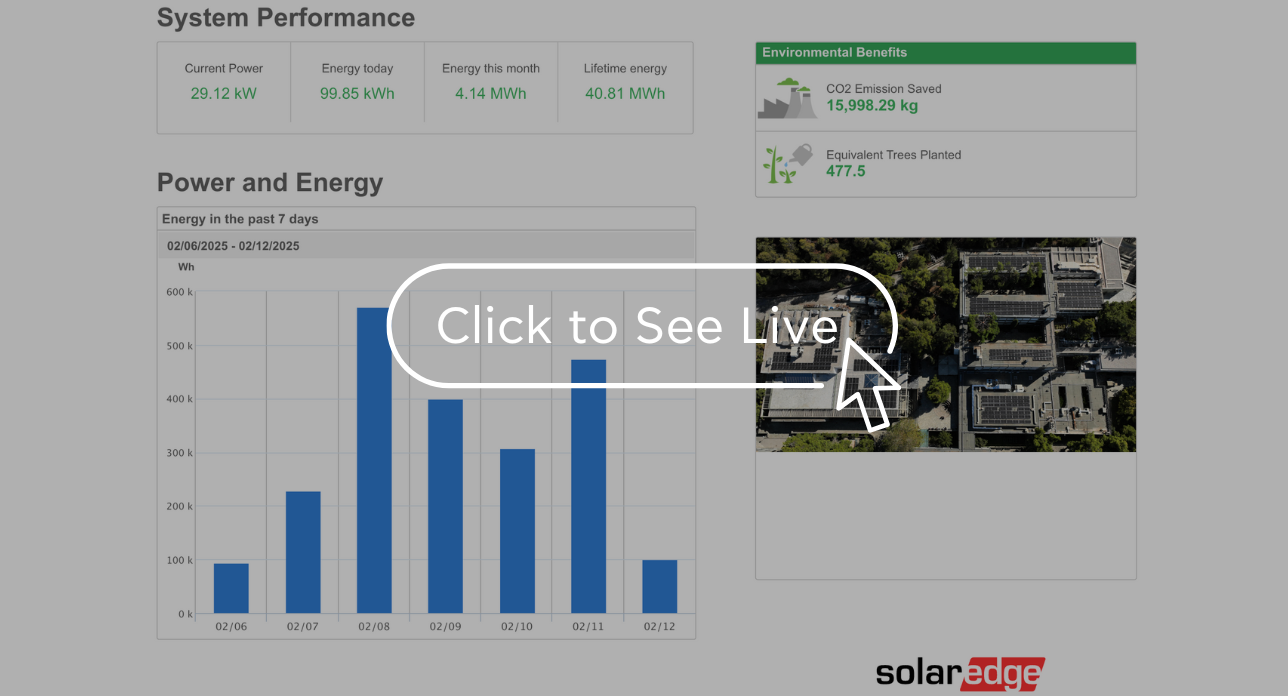
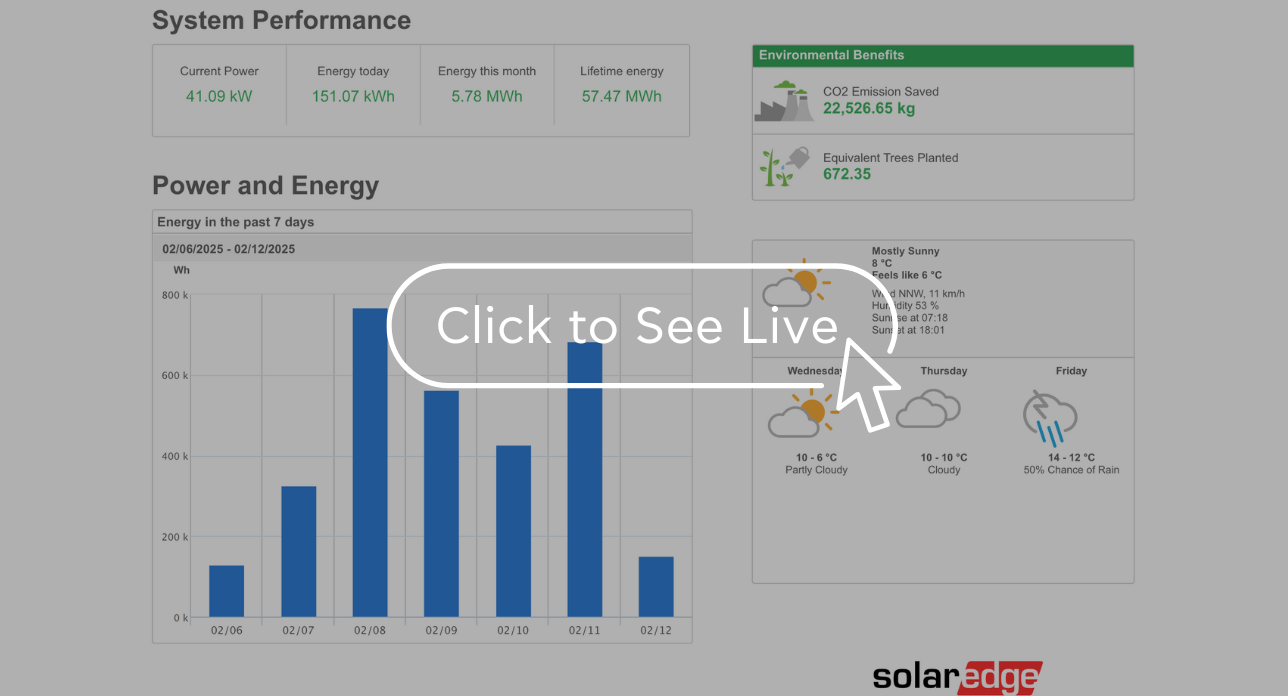
The American College of Greece (ACG) has taken another significant step in advancing sustainability by installing photovoltaic systems at its Aghia Paraskevi and Spata campuses. This initiative reduces the College’s carbon footprint, lowers operational costs, and enhances energy efficiency. By transitioning to solar energy, ACG sets an example for other institutions and actively contributes to global climate action. The switch to renewable energy decreases reliance on conventional energy sources, leading to long-term savings and environmental benefits. ACG’s leadership in sustainability inspires its community and broader society to adopt greener practices, highlighting its dedication to environmental responsibility and sustainable development.
Explore the Aghia Paraskevi Campus system performance in the dashboards below:
Deree Solar PV System
Pierce Solar PV System
ACG Energy Management & Greenhouse Gas Emission Data Management
The American College of Greece (ACG) is committed to the continuous improvement of energy efficiency and reduction of its Greenhouse Gas Emissions, as part of its sustainability strategy, in accordance with the principles and requirements of ISO 50001: 2018 and ISO 14064-1:2018 International Standards.
Indicatively we refer the following actions
| Action | Estimated Energy Saving |
|---|---|
| Replacement of conventional lighting bulbs with LED in Deree Library | 31% |
| Replacement of conventional lighting bulbs with LED in Deree Main Building | 20% |
| Hybrid heating system installation (boiler & heat pumps) at pool, providing water & premises heating. | 60% * |
* Average value between 2013-2015. It refers to LG fuel consumption.
** Average value between 2014-2015. It refers to LG fuel consumption
Inventory of ACG’s Greenhouse Gas Emissions. Click here for detailed info.
Use of 100% Clean, Green Electricity at ACG

As part of the ACG Energy strategy to minimize the carbon footprint, ACG’s electricity is supplied by Eunice Power (former We Energy), a company that provides 100% “green energy”. Eunice Power is the only provider in Greece that supplies the national electricity system with 100% “green energy” from clean, renewable sources of energy (solar and wind) and provides the corresponding official state and corporate certificates.
In proof of the above, our supplier is providing us with the relevant Guarantee of Origin (GO) issued by DAPEEP S.A. and “green sign”.
This action reduces our carbon footprint annually at least 85% based on 2019 calculated equivalent CO2 emissions. Additionally, ACG has taken the following steps towards energy efficiency:
- Installation of the air quality sensor/platform, Airly, which monitors and provides real-time data about the air quality on campus (2019). ACG is the first and only institution in Greece with such a device.
- Four electric and one hybrid vehicles for ACG transportation.
- Installation of electric car charging stations.
ACG Sustainable Events Guidelines
ACG is committed to adopting and continuously improving sustainability best practices. In this context, these guidelines aim at engaging event organizers into adhering to sustainable options with their audiences and partners.
Sustainable Event Certification Checklist
Global Electronics Council
The Global Electronics Council, the non-profit organization that manages the EPEAT ecolabel, recognized ACG as a leader in sustainable electronics procurement. EPEAT allows our College to efficiently address the lifecycle impacts of the electronics we purchase, including computers, displays, printers, copiers, network equipment, mobile phones, servers, photovoltaic modules, inverters, and televisions.
Griffins Green
In our effort to support ACG’s goal of promoting sustainability on the ACG campus and beyond, we are proud to share the “GRIFFINS GREEN DEREE ATHLETICS” plan to reduce its environmental footprint and raise awareness among the students, athletes, visitors, and participants of its programs!
Find out more here!
Sustainable Business Travel and Low-Carbon Mobility Framework
The American College of Greece has established a Sustainable Business Travel and Low-Carbon Mobility Framework to guide institutional practices related to employee travel and the reduction of greenhouse gas emissions associated with air travel.
The Framework reflects the institution’s commitment to reducing avoidable travel-related emissions while ensuring the effective delivery of academic, research, and operational activities. The institution promotes the prioritization of virtual and hybrid participation in meetings, conferences, and collaborative engagements whenever feasible, supported by institutional digital collaboration tools and infrastructure.
Business travel arrangements are coordinated through the Business Affairs Office in collaboration with approved travel agency partners. As part of standard travel booking procedures, available travel options are reviewed with consideration of associated CO₂ emissions information provided through travel platforms and airline systems. Where feasible, lower-emission routing and airline options are taken into account in travel planning and decision-making.
This centralized travel coordination process supports institutional oversight of business travel and integrates emissions awareness into travel-related decision-making.
The institution monitors greenhouse gas emissions from business travel as part of its Scope 3 emissions inventory and reporting process, which is externally verified by TÜV Austria. This includes emissions associated with air travel and supports ongoing institutional efforts to strengthen climate-conscious operational practices and reduce overall emissions.
The institution also works with external sustainability and emissions consultants who provide guidance on greenhouse gas accounting, emissions reduction opportunities, and reporting practices, including emissions associated with business travel. Consultant recommendations and emissions data are considered as part of the institution’s continuous improvement approach to sustainable mobility and climate action planning.
While the Framework does not currently include mandatory travel caps or formal carbon budgets, it establishes a structured institutional approach for integrating emissions considerations into travel planning and supporting continuous improvement in sustainable mobility practices.


