
June, 2026

Event Details
Master Class: Research and Clinical Directions in Dual Diagnosis Treatment
When: Friday, June 5, 2026 | 11:00-13:00
Where: AC Auditorium, The American College of Greece, Gravias 6, Ag. Paraskevi 153 42
Organized by:
Psychology Department,
School of Science and Technology, Deree – The American College of Greece
About the masterclass
The Master Class, “Research and Clinical Directions in Dual Diagnosis Treatment,” explores the development of integrated research and clinical practice models within residential and outpatient substance misuse care. This session highlights how the Yale School of Medicine’s partnership with local clinics in the northeast U.S. emerged from a shared commitment to data-informed behavioral health care. Specifically, it examines the translation of empirical evidence into routine clinical practice for adolescents and young adults navigating substance use disorders alongside co-occurring psychiatric conditions.
The presentation reviews four inter-related lines of work:
- Standardized Assessment Batteries: The implementation of a comprehensive, multi-rater, multi-trait clinical assessment battery—including the GAD-7, PHQ-9, AUDIT-C, NIDA-modified ASSIST, the Five Facet Mindfulness Questionnaire, brief neuropsychological screening, and life satisfaction metrics. This battery is administered serially throughout treatment as a therapeutic intervention in its own right.
- Exercise as Adjunctive Therapy: An overview of converging empirical evidence supporting the inclusion of physical exercise in substance use treatment. This includes data on how exercise directly impacts craving, substance use, mortality, cognitive functioning, mood, cerebral blood flow, neurogenesis, and telomere maintenance.
- Long-Duration Interdisciplinary Care: A breakdown of empirically supported components of long-duration (12+ months) care. This approach targets craving and reward circuitry through a combination of pharmacotherapy, evidence-based counseling, lifestyle modification, and complementary and integrative behavioral medicine.
- Early Outcome Data: A review of initial data demonstrating clinically meaningful improvements in anxiety (GAD-7), depression (PHQ-9), and functional capacity within the first 30 days of treatment compared against long-term (6–9 month) residential treatment outcomes.
About the speaker
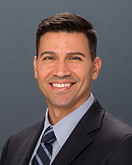 Dr. Christopher J. Cutter, Ph.D., is Associate Professor at the Yale Child Study Center, Yale School of Medicine, on the Clinician Educator-Scholar Track. A counseling psychologist of Native American descent, Dr. Cutter has built his career at the intersection of three pressing areas of behavioral health: mental health care for Native American youth and communities, the treatment of co-occurring chronic pain and opioid use disorder, and quality improvement in care for dually-diagnosed adolescents.
In 2016, Dr. Cutter founded Yale’s first Native American Mental Health Program — one of the first academically based programs in the United States dedicated to Indigenous mental health research, assessment, and clinical training. As principal investigator, he leads a portfolio of community-driven projects, including a SAMHSA-funded effort with the United Keetoowah Band of Cherokee Indians in Oklahoma, a school-district partnership serving students of the Shinnecock Nation, and a culturally adapted trauma-informed intervention with the Fort Mojave Indian Tribe. Earlier work with the Fort Belknap Indian Reservation, supported by the Bureau of Indian Affairs Tiwahe Initiative, helped lay the foundation for these collaborations.
Beyond Yale, Dr. Cutter serves as Chief of Adolescent Psychology and Training Director of Psychiatry, Psychology, and Social Work at Turnbridge Addiction Treatment Programs, where he oversees three residential and outpatient programs for dually-diagnosed adolescents. In January 2026, he assumed the role of Director of Research and Assessment at The Pointe Dual Diagnosis Residential Treatment Program in Malibu, California. He also leads cognitive behavioral therapy training at the APT Foundation’s Pain Treatment Services and is a co-investigator on the NIH HEAL initiative IMPOWR-YOU, a multi-site clinical trial integrating chronic pain and opioid use disorder care.
A dedicated educator, Dr. Cutter teaches Native American Mental Health at Yale College and at tribal colleges across the country, including a recent visiting professorship at Aaniiih Nakoda Tribal College in Montana. He has chaired six national conferences, including the Charles Carl Native American Mental Health Conferences, and has presented as keynote and invited speaker at venues ranging from the Native Health Summit to Oxford University. His scholarship has appeared in JAMA, Drug and Alcohol Dependence, the Journal of Substance Abuse Treatment, and Psychotherapy, among other journals.
Dr. Cutter earned his Ph.D. from Northeastern University, completed his predoctoral internship at Harvard Medical School/ McLean Hospital, and postdoctoral fellowship through Yale School of Medicine’ Division of Substance Abuse. He is currently senior teaching and training faculty and recently received Yale School of Medicine’s Sally Provence Award for Excellence in Supervision as well as Yale’s Faculty Excellence and Diversity Initiative fellowship.