
October, 2026
Event Details
Fundamental and applied studies on Parainfluenza virus type 5 leading to the development of novel expression vectors
When: Monday, October 19, 2026 | 16:30
Where: AC Auditorium, Aghia Paraskevi Campus
Organized by: Department of Natural Sciences, Deree – The American College of Greece
Dr. Georgia Kythreoti, Chair of the Department of Natural Sciences at Deree – The American College of Greece, cordially invites you to attend a talk by Professor Richard Randall, Professor of Molecular Virology, University of St. Andrews, Scotland.
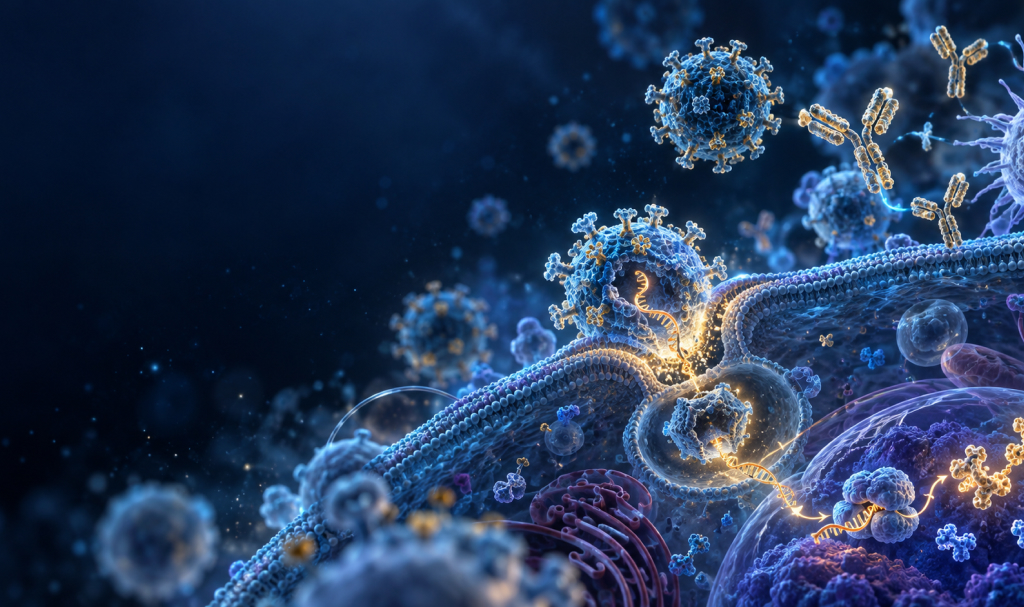
Professor Richard Randall will discuss the development and application of parainfluenza virus 5 (PIV5) as a versatile viral vector for recombinant protein expression and vaccine development.
About the talk
Drawing on research into the molecular interactions between paramyxoviruses and the host innate immune system, the lecture will explore how understanding viral replication, interferon responses and immune evasion has informed the engineering of PIV5-based vector systems. It will examine the potential of PIV5 for producing recombinant proteins in vitro and in vivo, as well as its capacity to stimulate innate and adaptive immune responses.
Broader applications of PIV5 vectors in vaccine design, antigen delivery and biomedical research, will be presented highlighting opportunities and challenges in translating fundamental virology into practical biotechnological and therapeutic applications.
About the speaker
 Richard E. Randall
Richard E. Randall is a Professor of Molecular Virology within the University of St. Andrews, Scotland. His research focuses on the better understanding, at the molecular level, the manner by which viruses circumvent the Interferon (IFN) response.
Beyond its fundamental scientific significance, his studies point ways forward to better methods of controlling virus infections. One potential strategy is to weaken a virus by preventing it from suppressing the interferon response. Thus, such IFN-sensitive viruses may be further developed as attenuated virus vaccines. Furthermore, novel anti-viral drugs might be developed which prevent viruses from circumventing the IFN response.
Professor Randall has authored an extensive body of scientific publications, which have received substantial recognition within the scientific community. He has been an invited speaker at numerous international conferences and serves on several UK research committees and scientific societies.