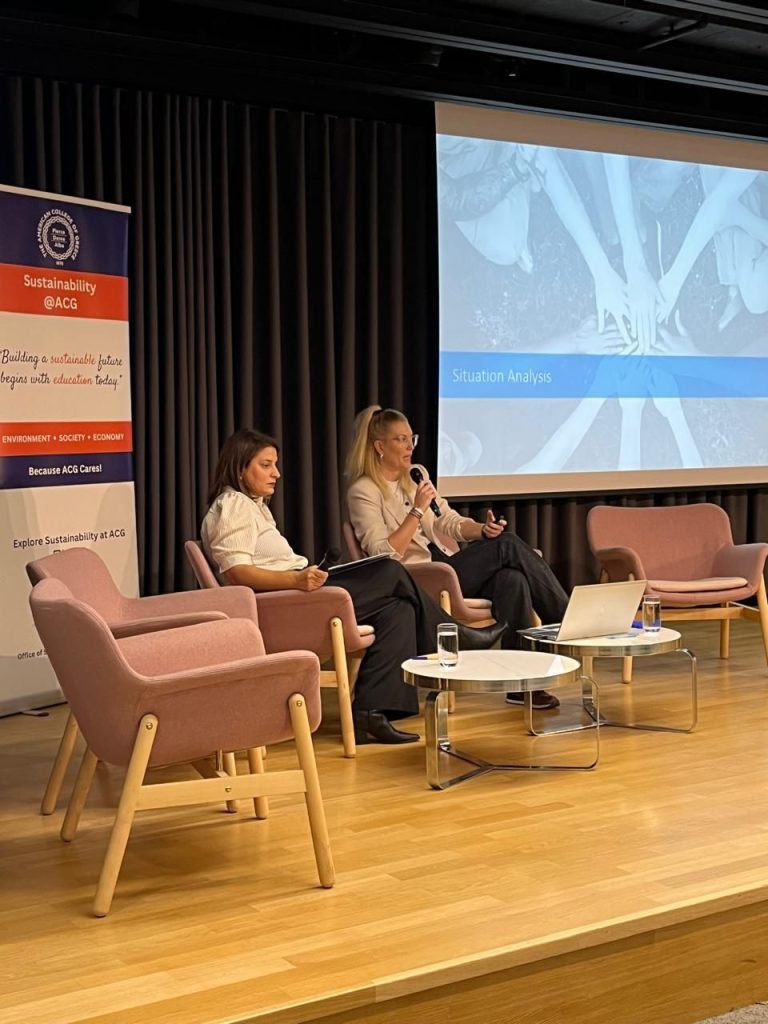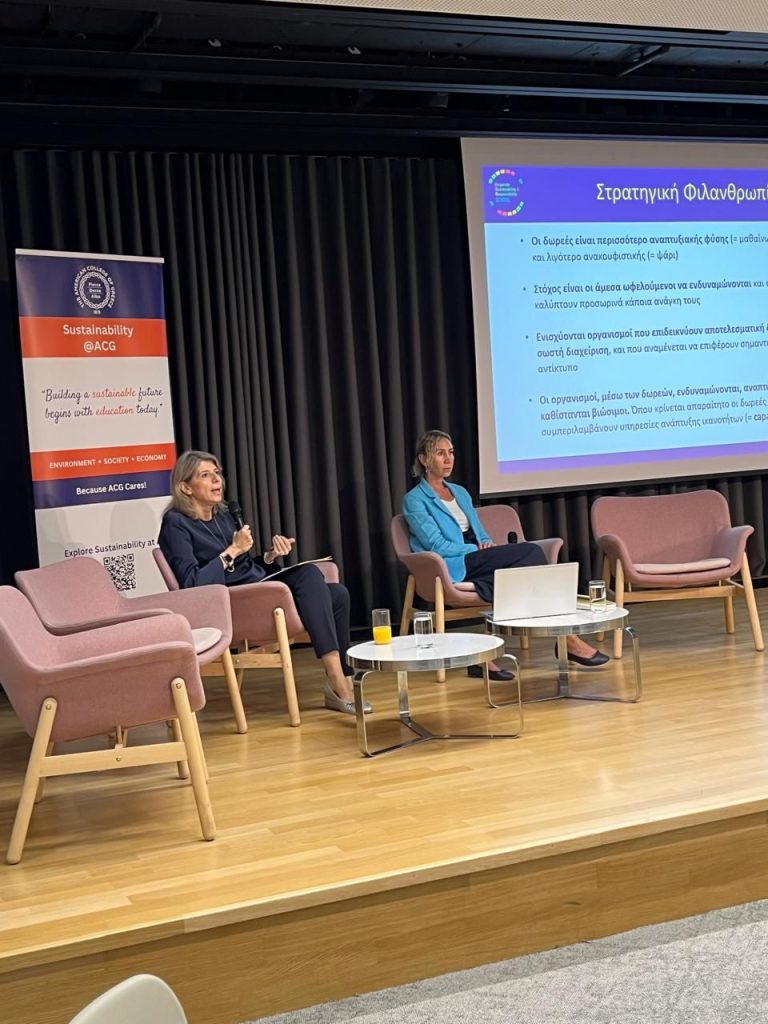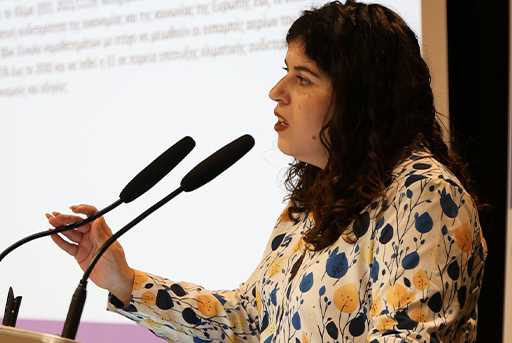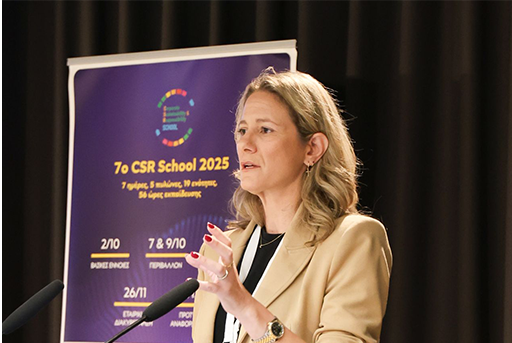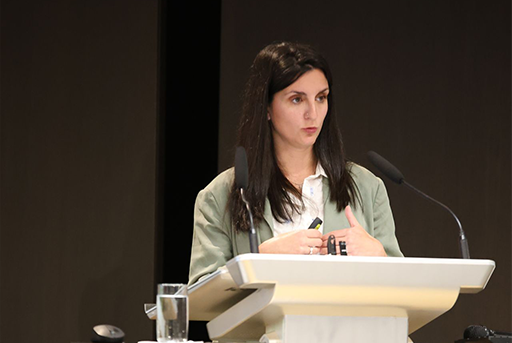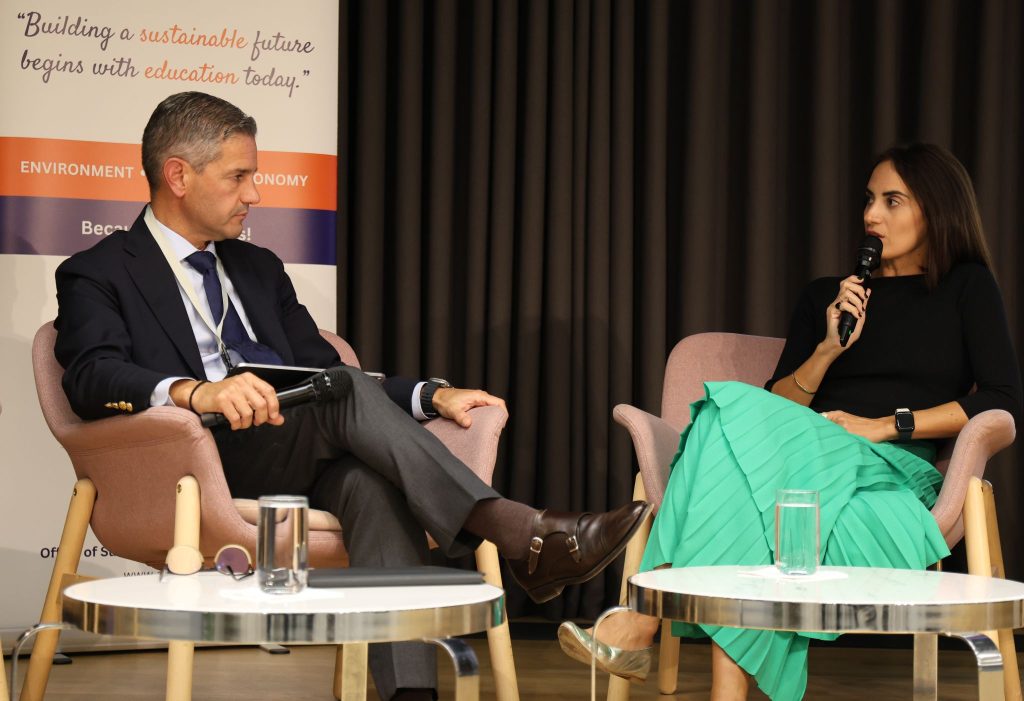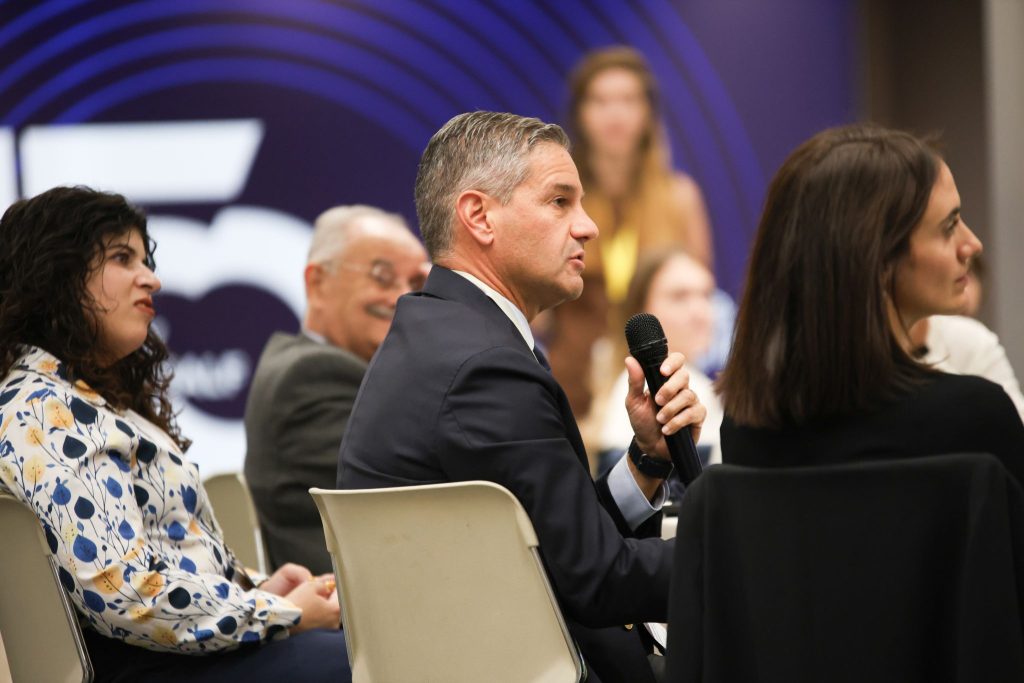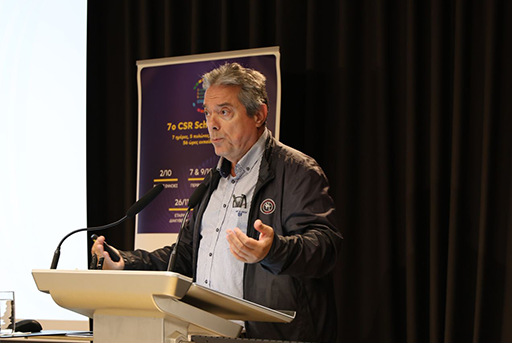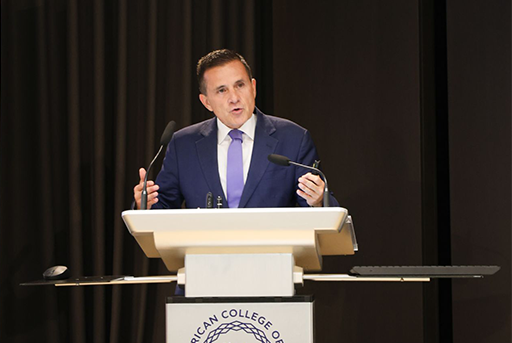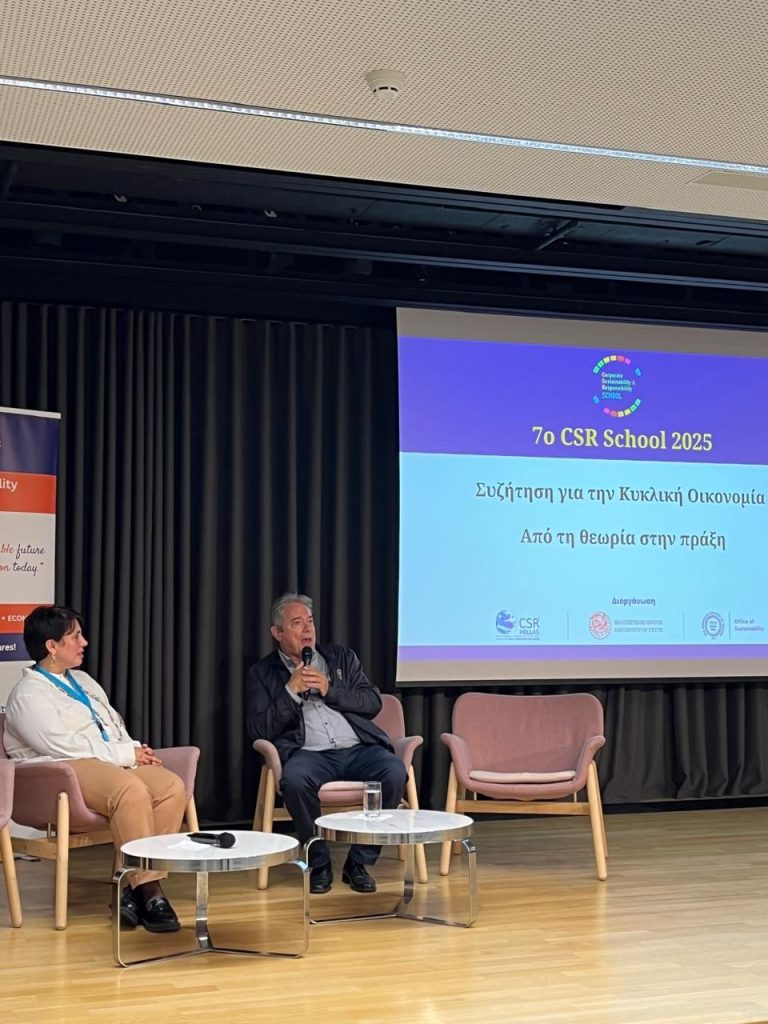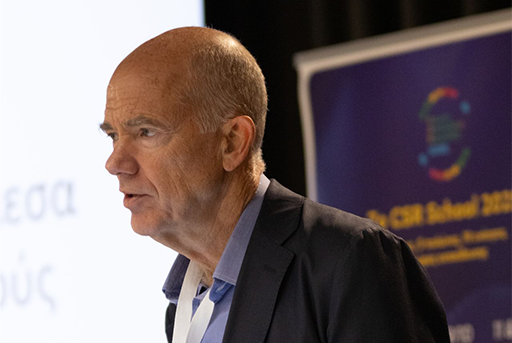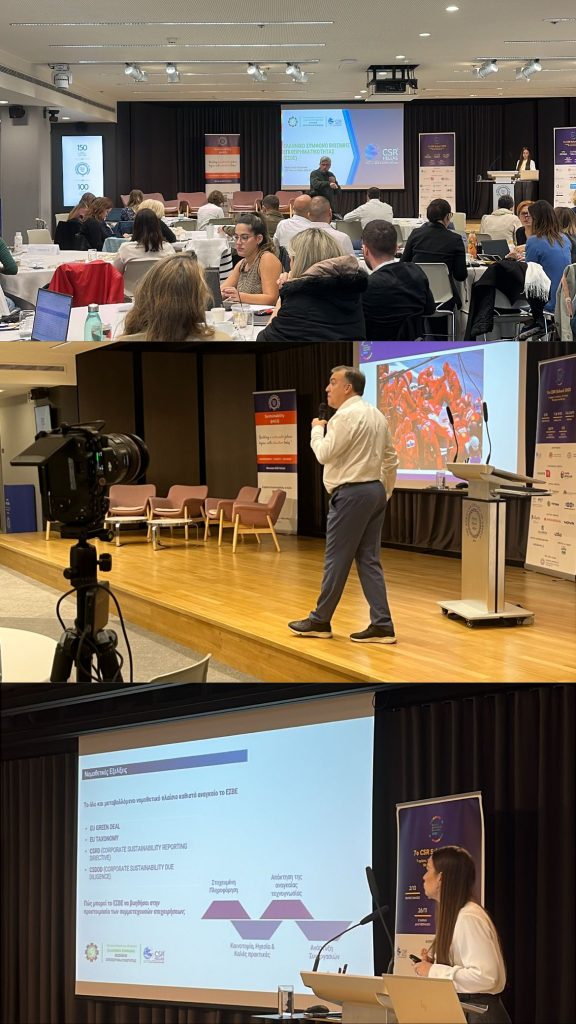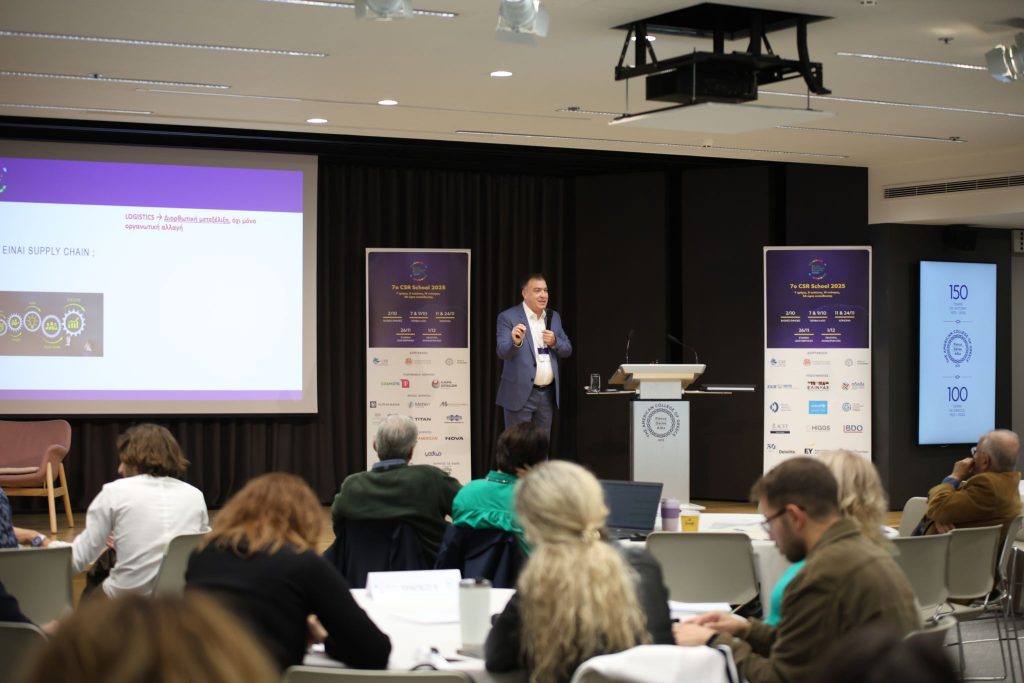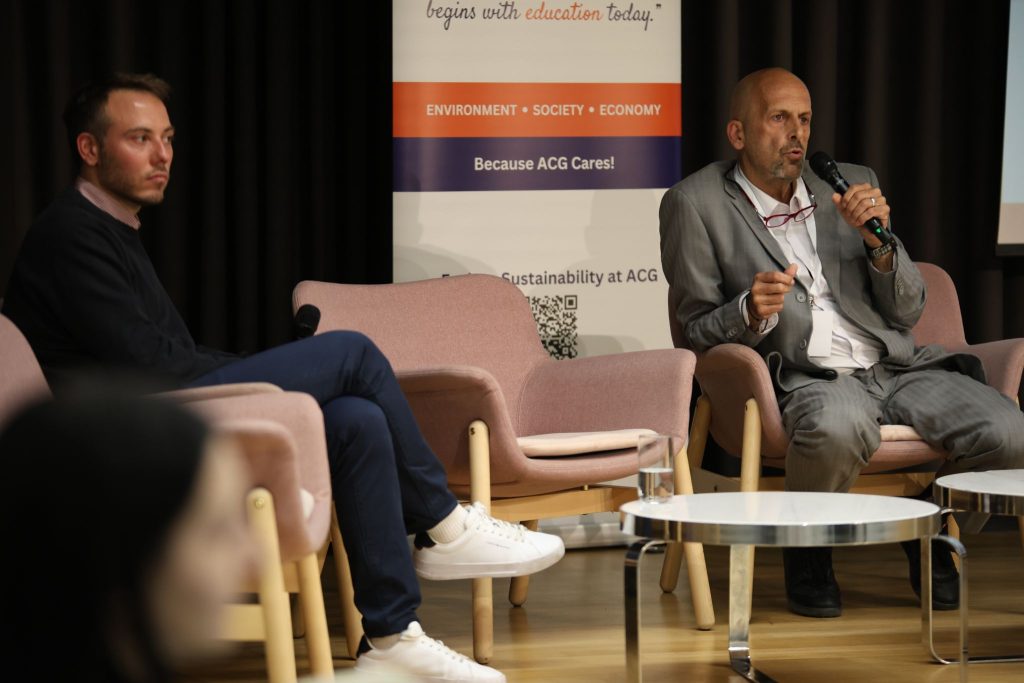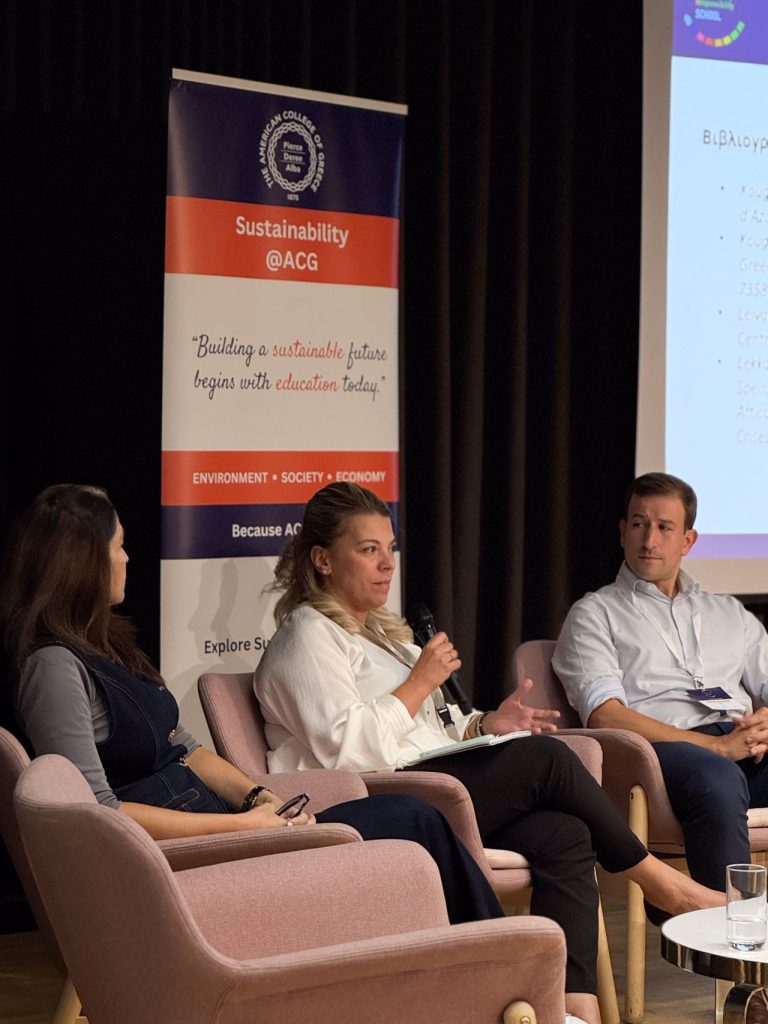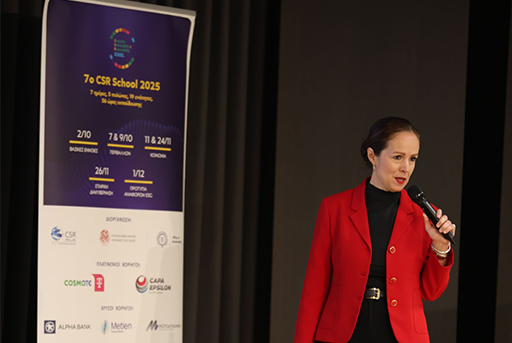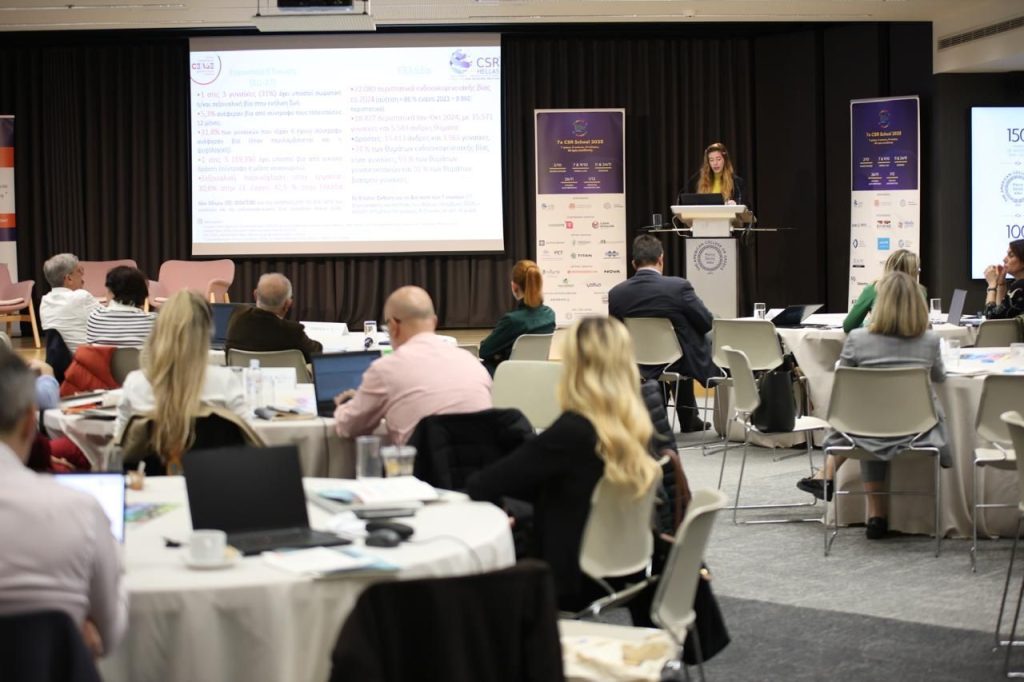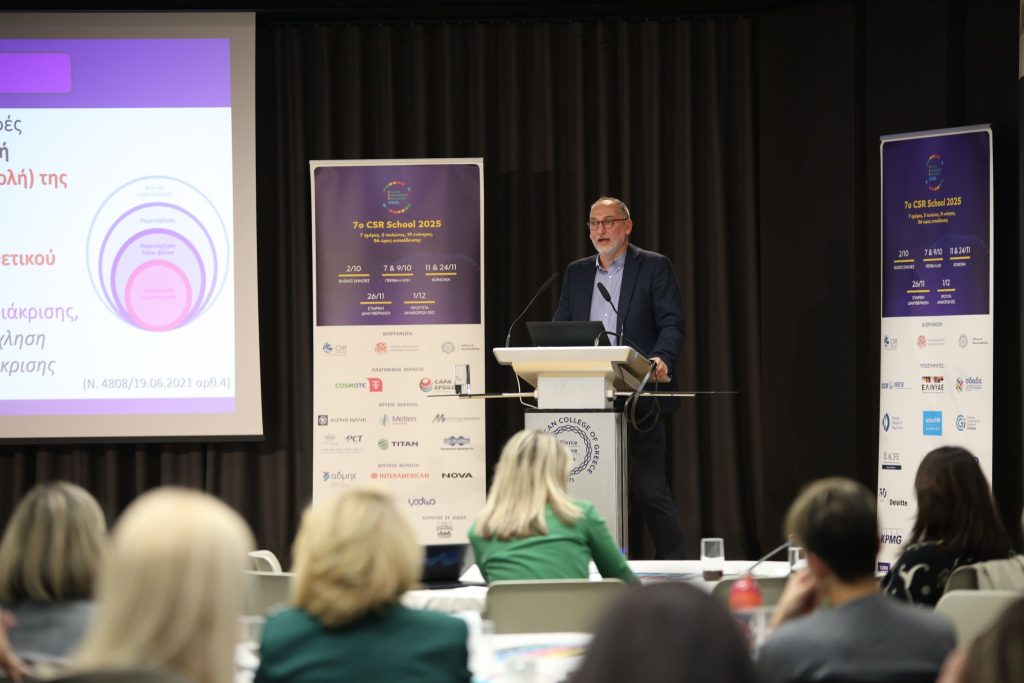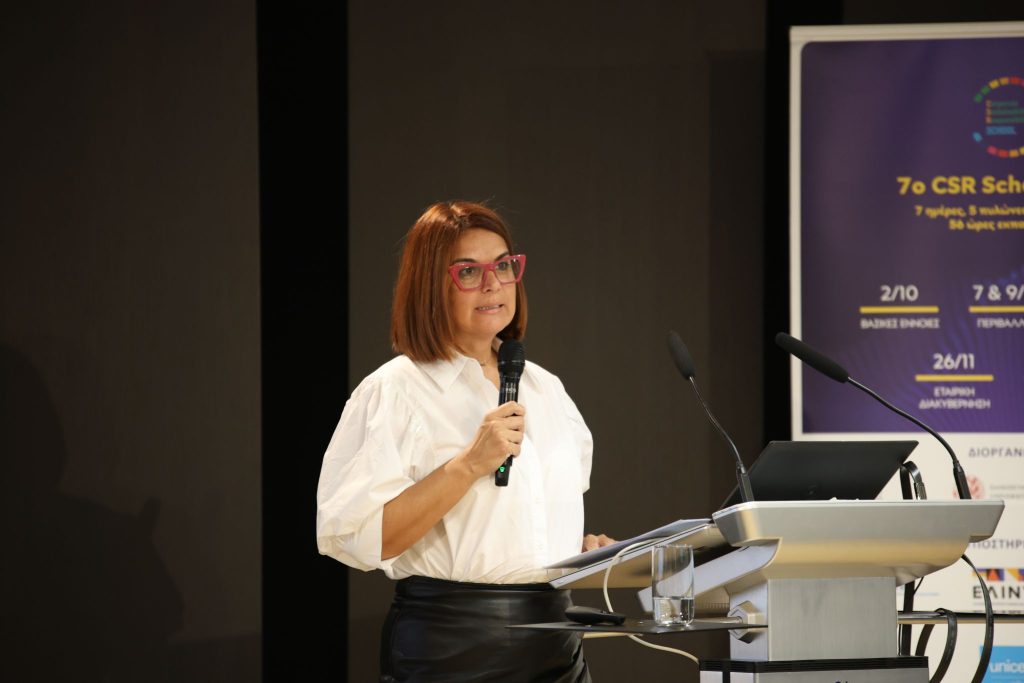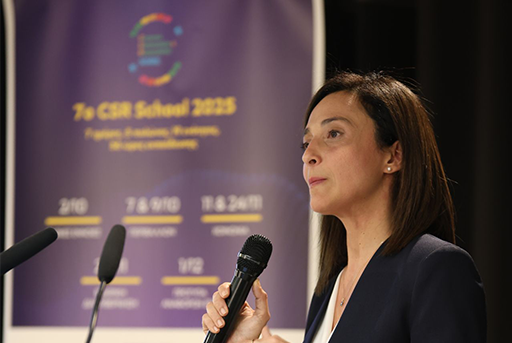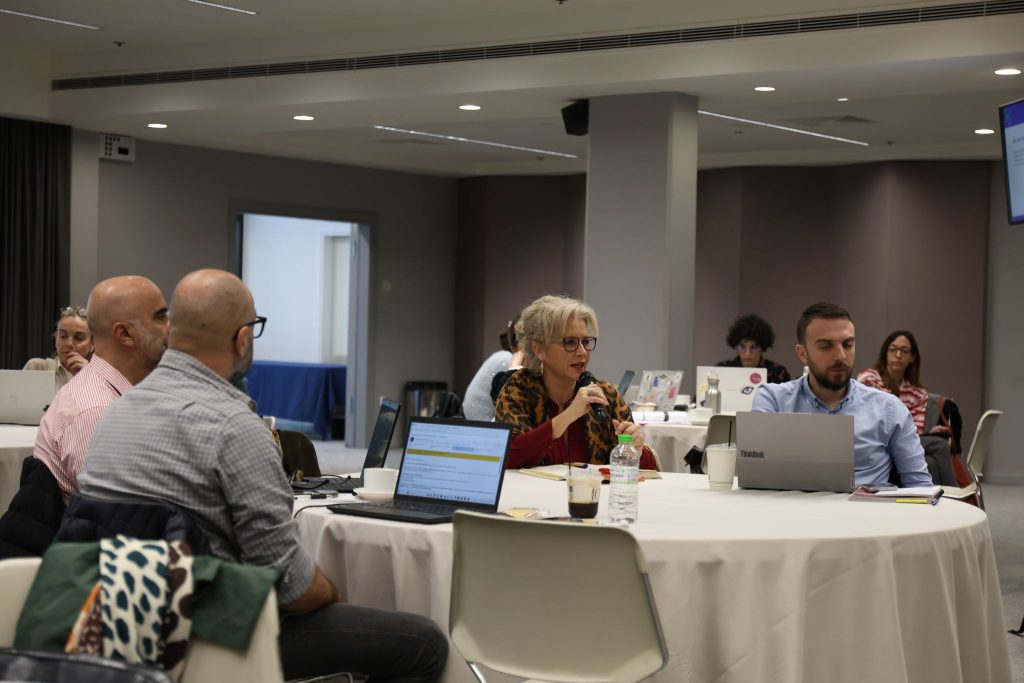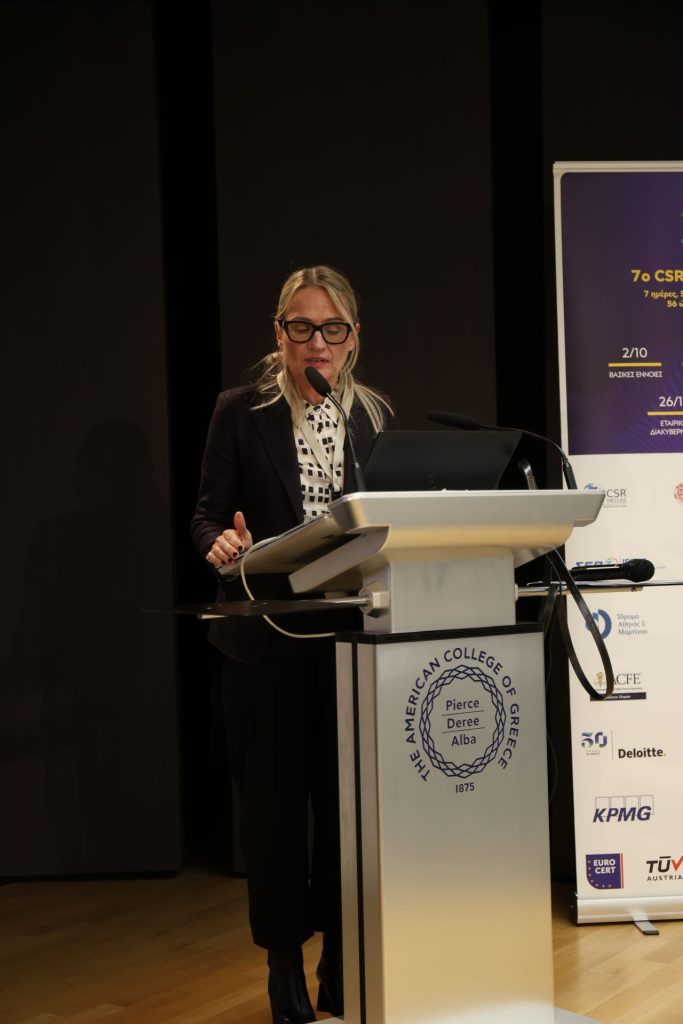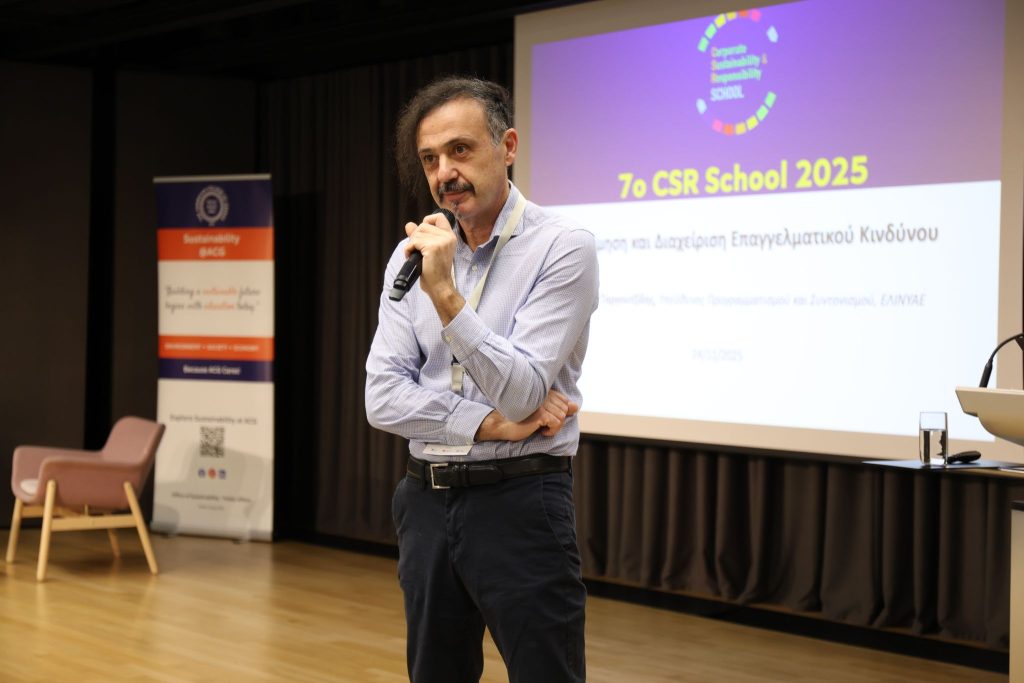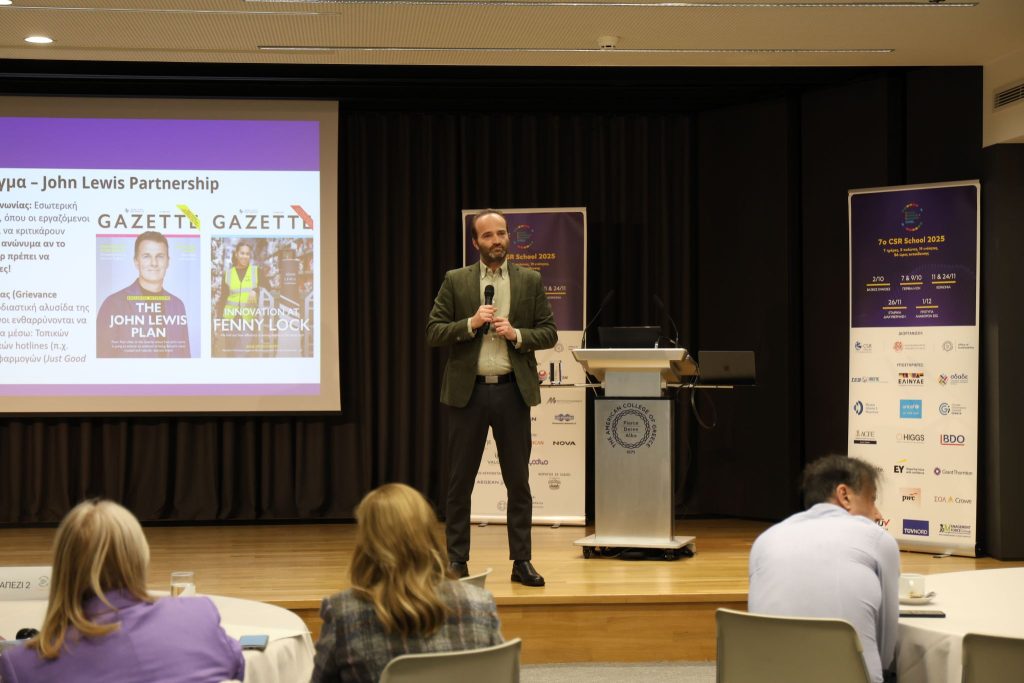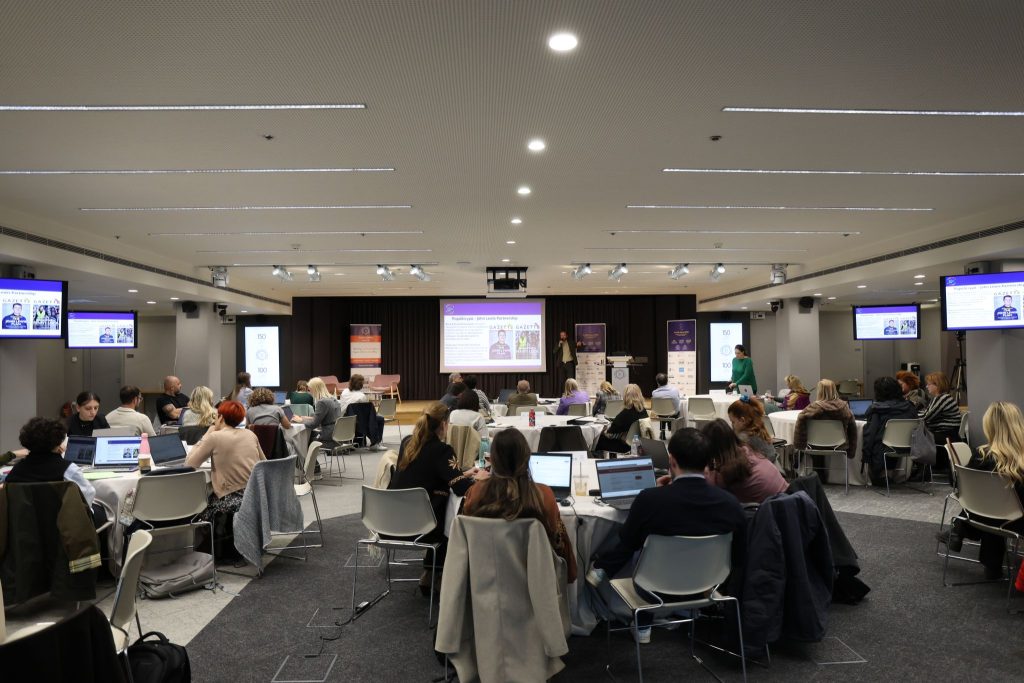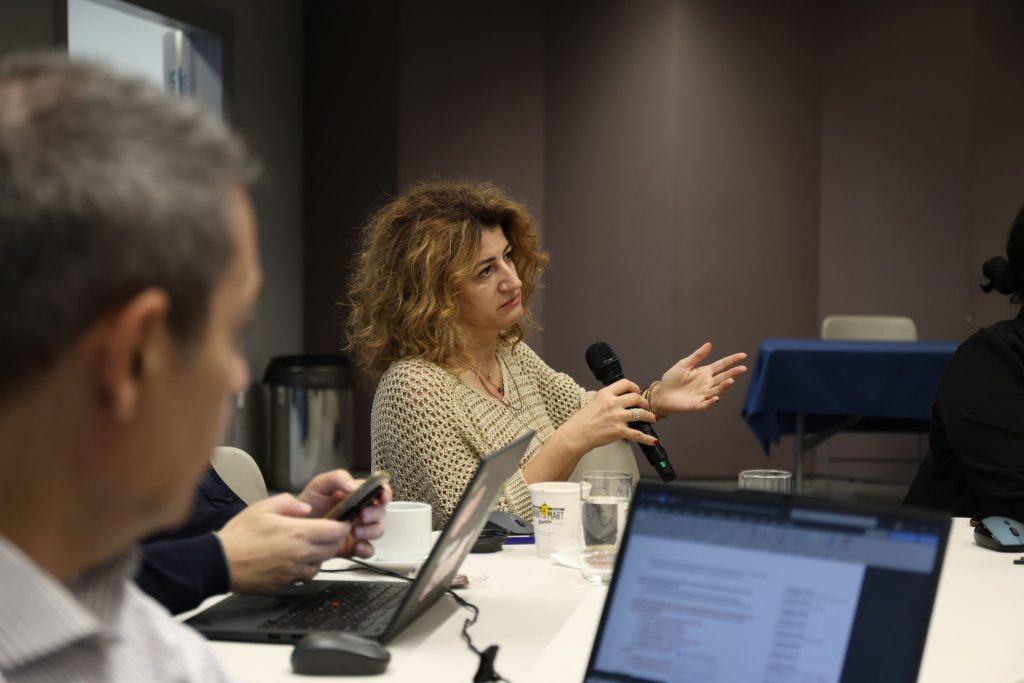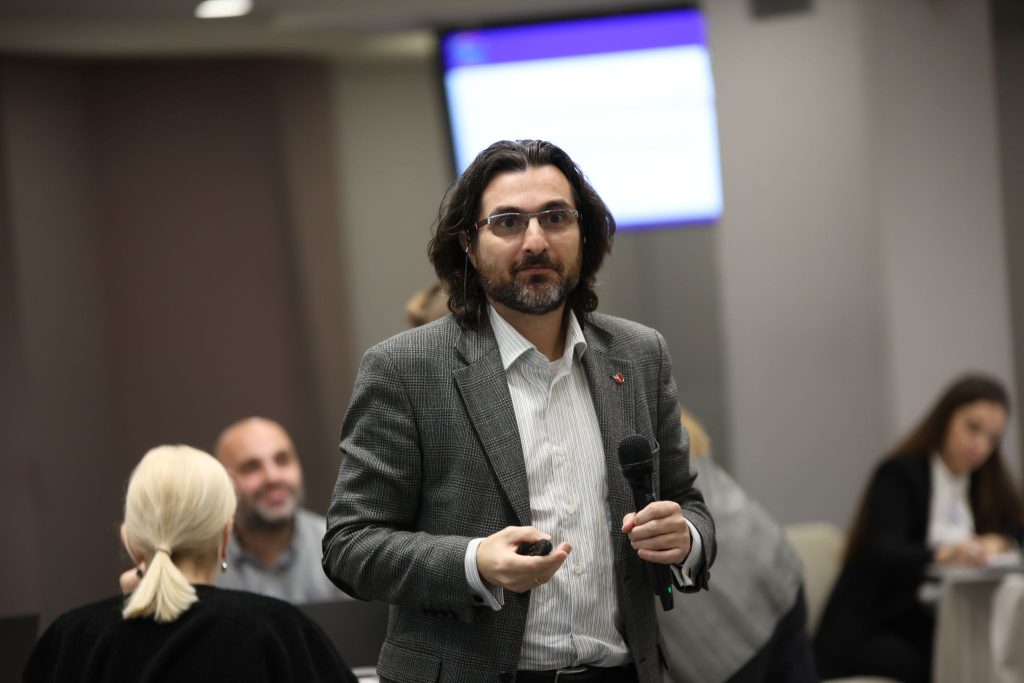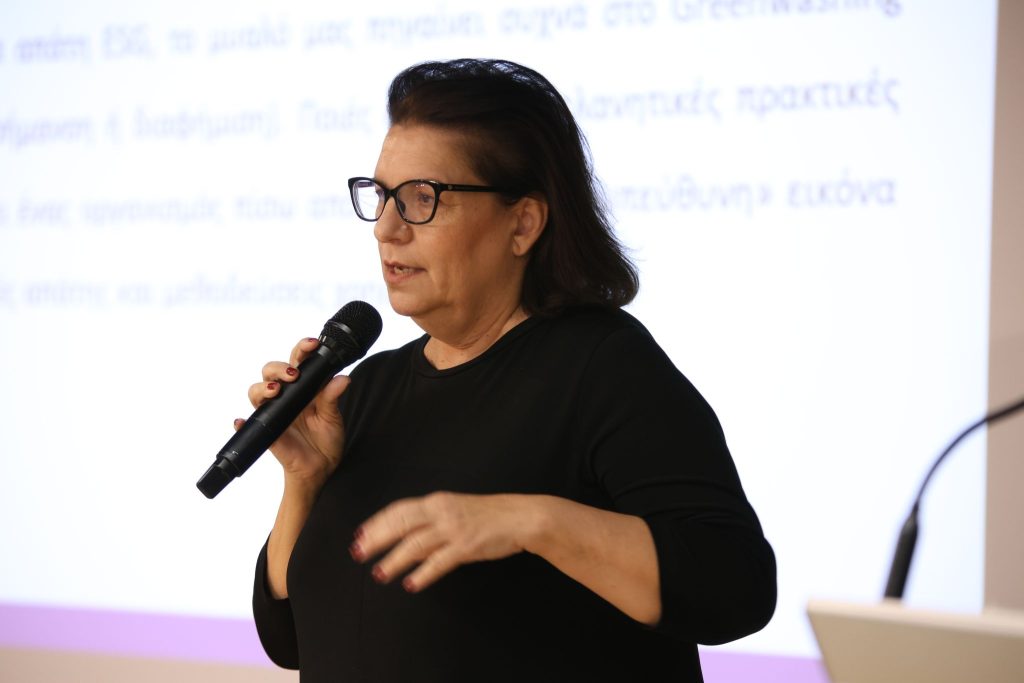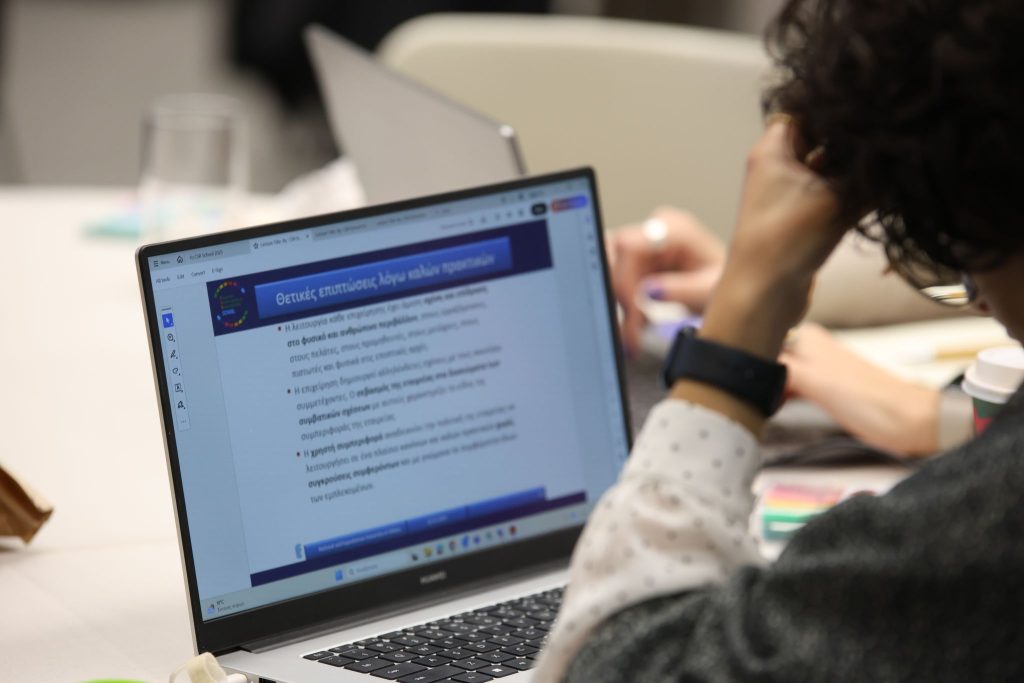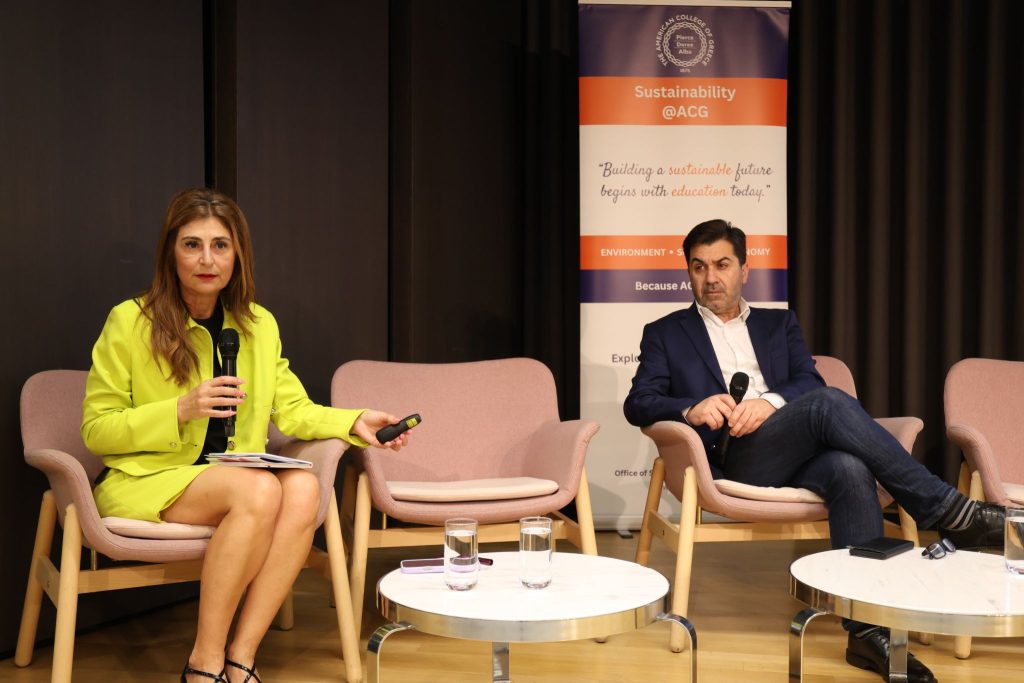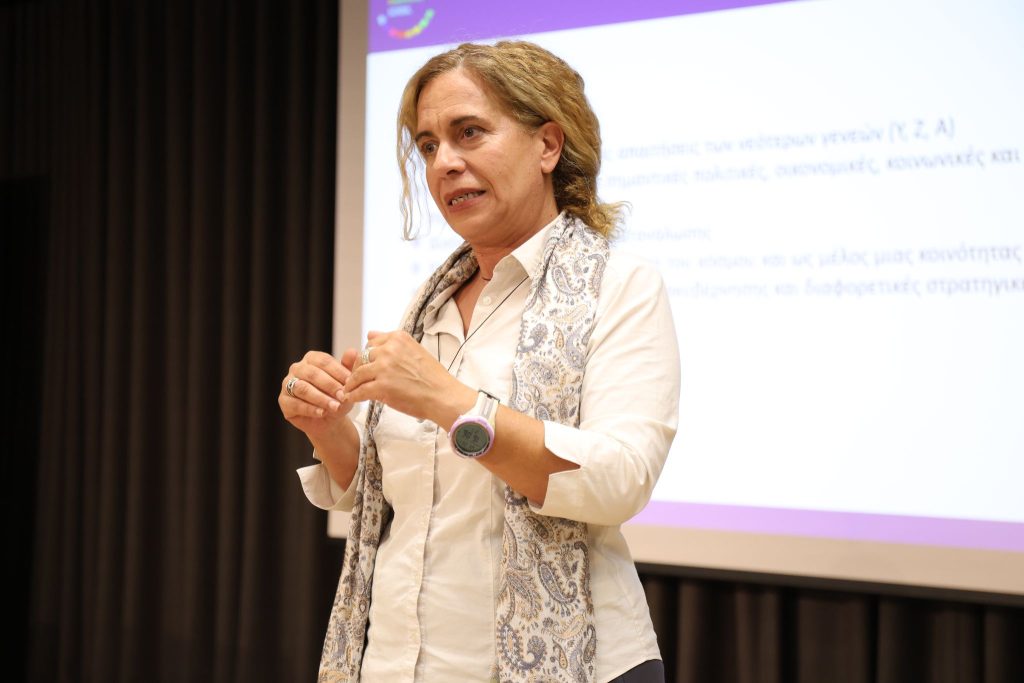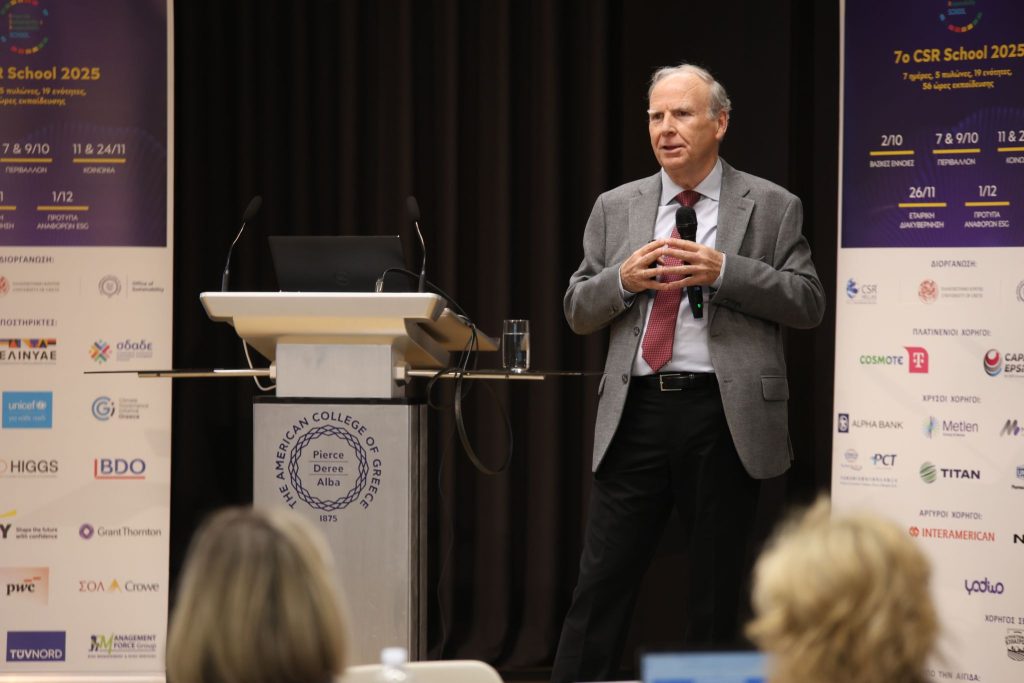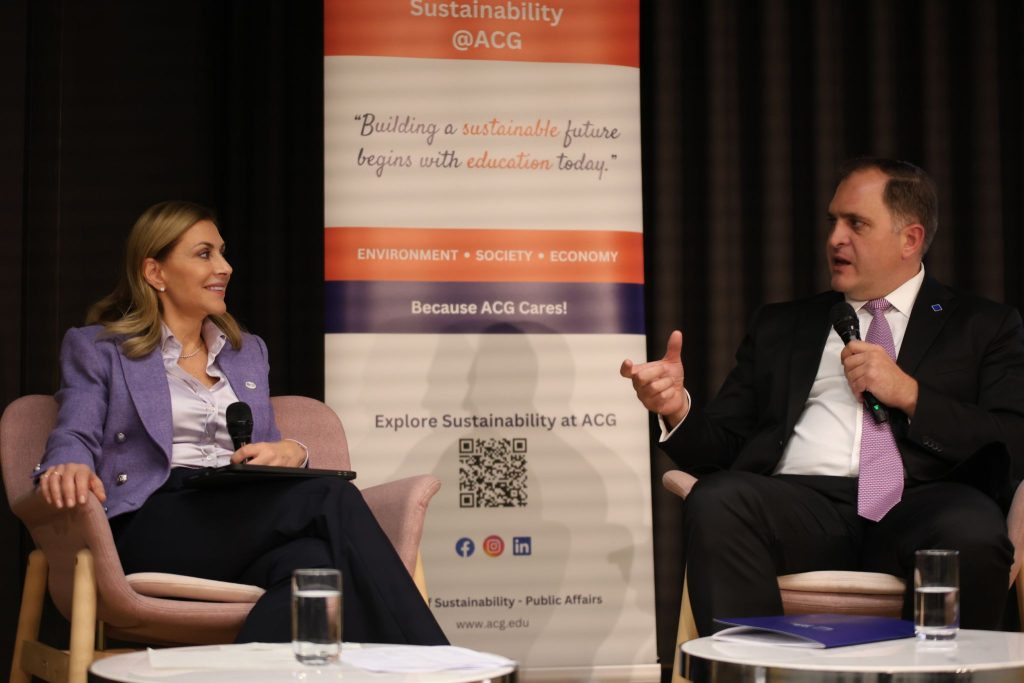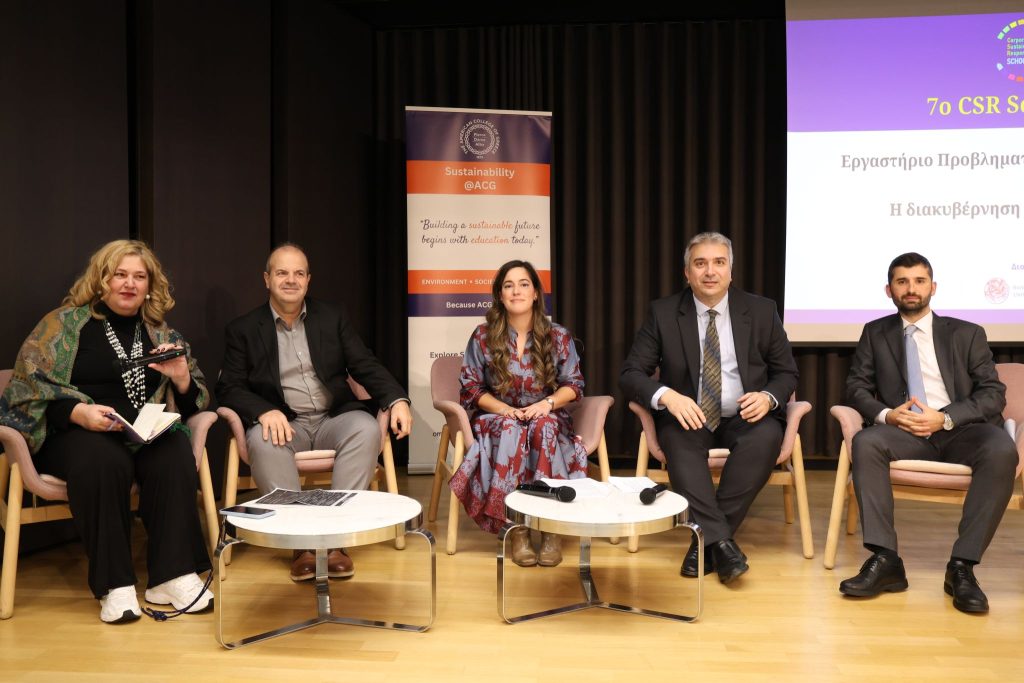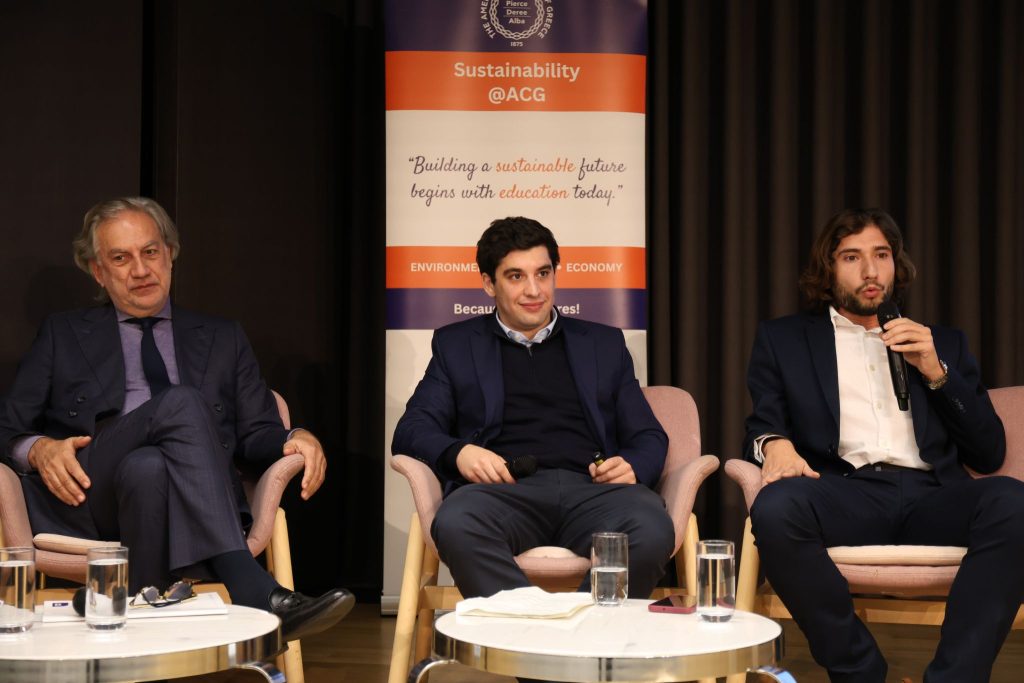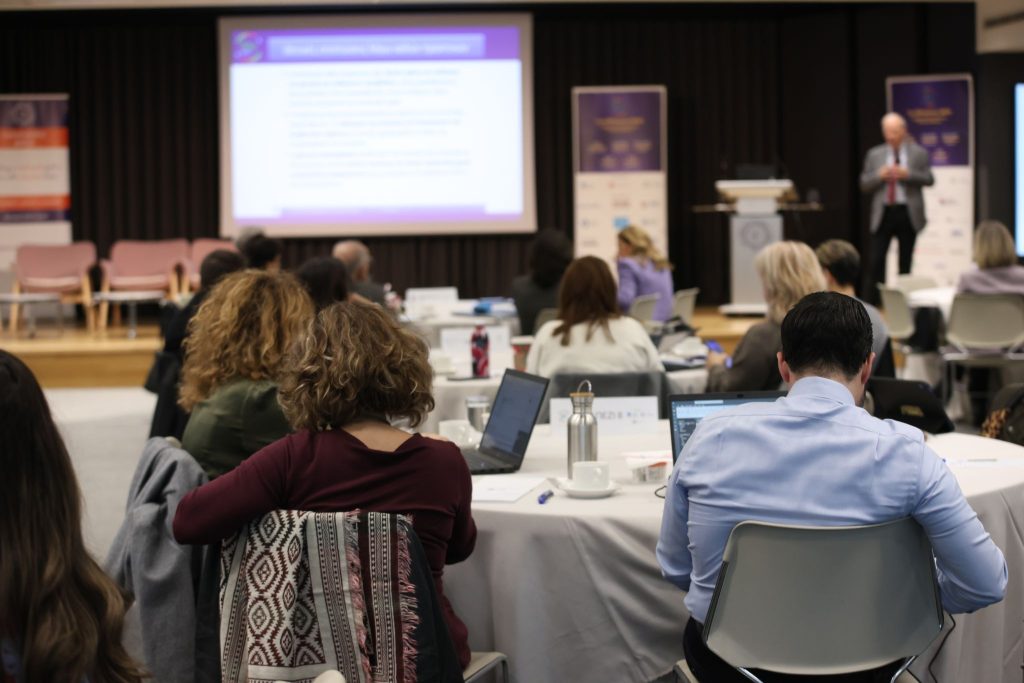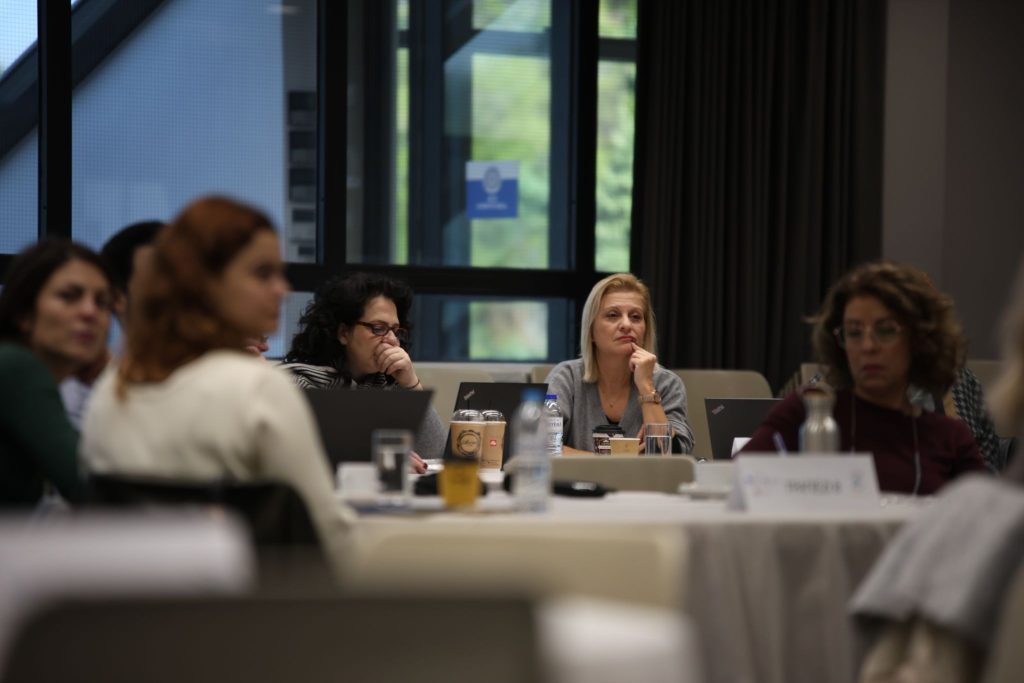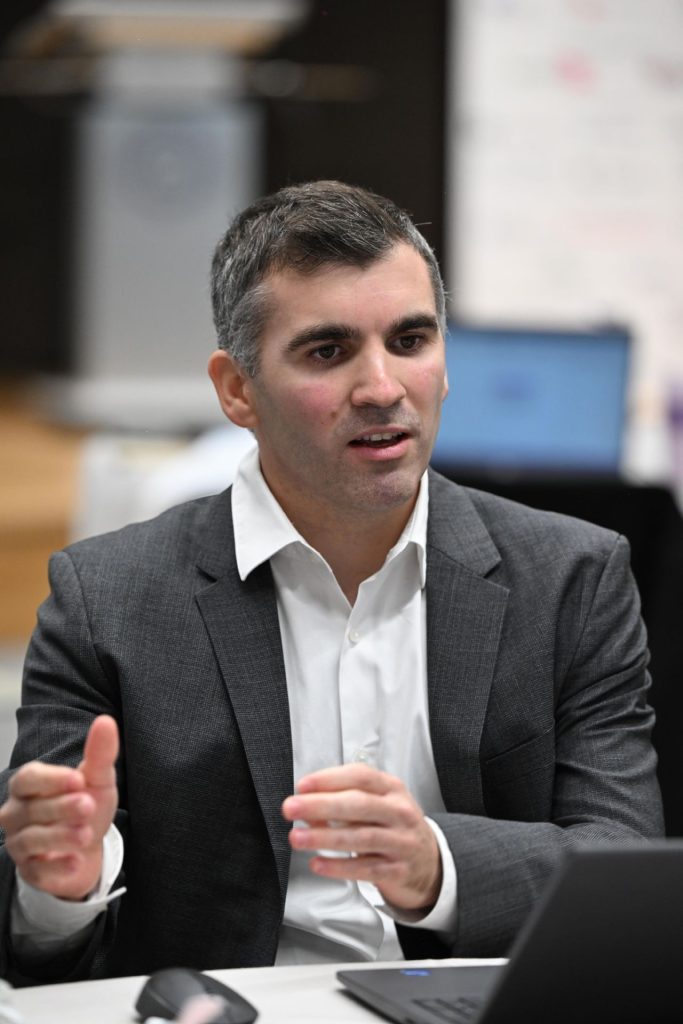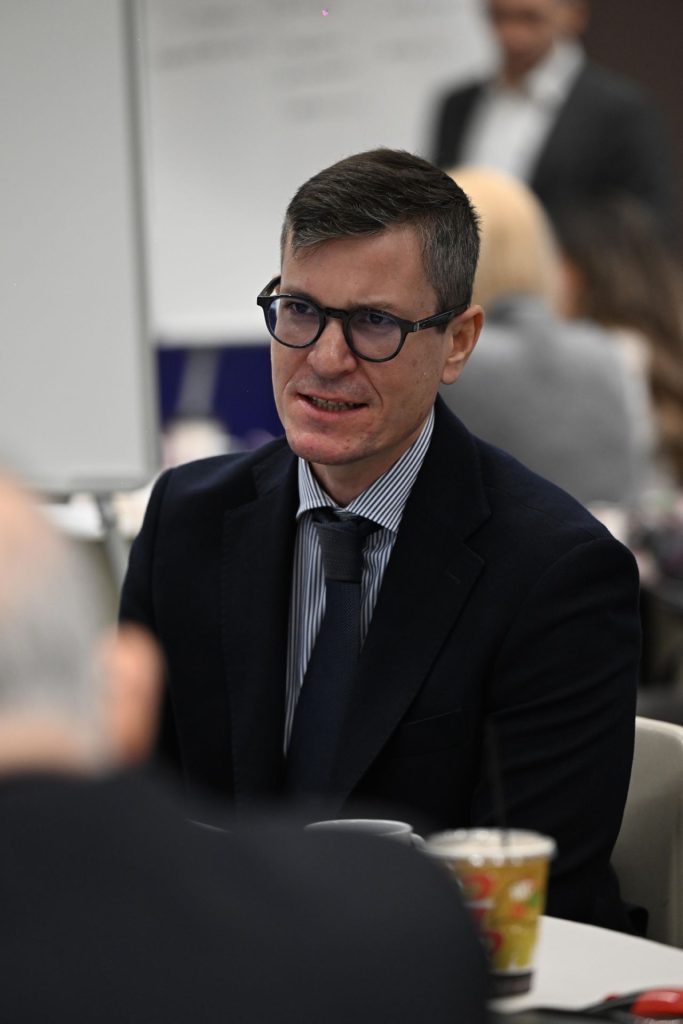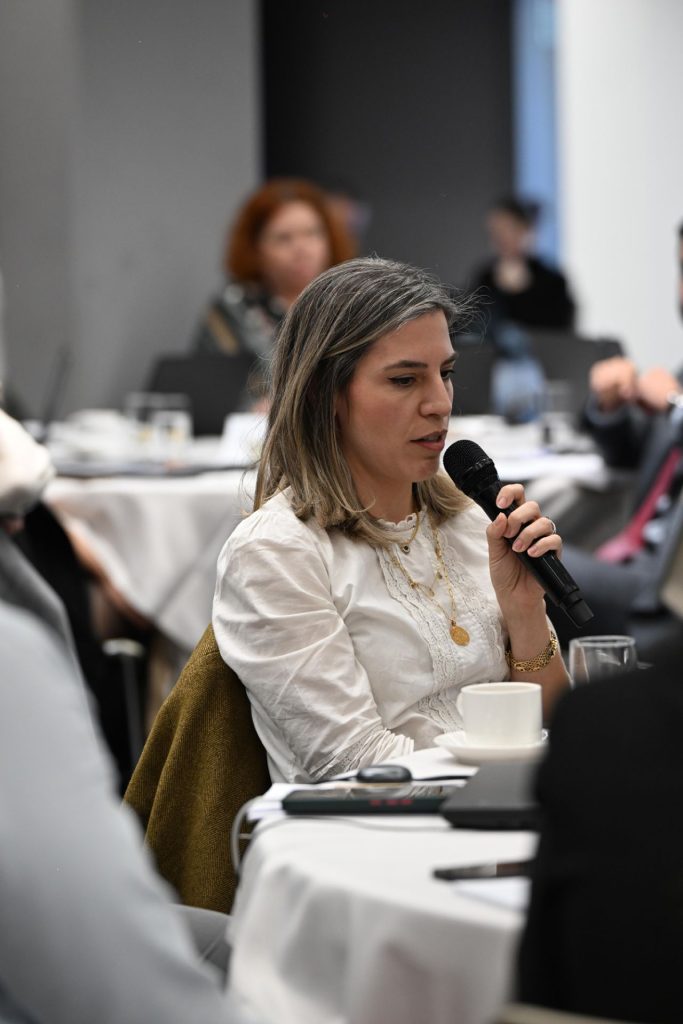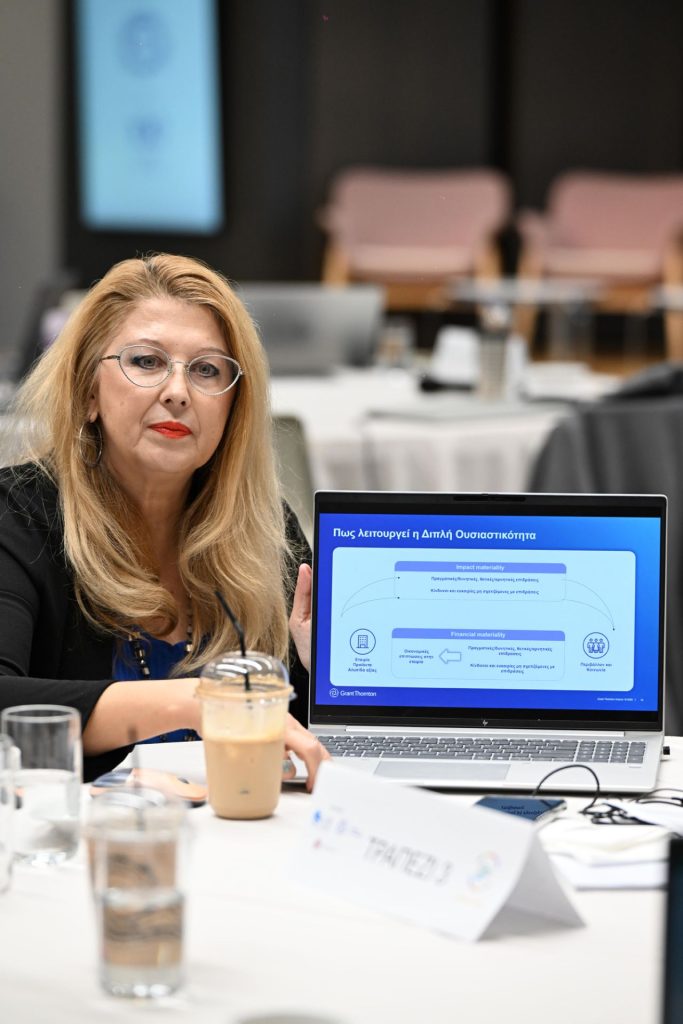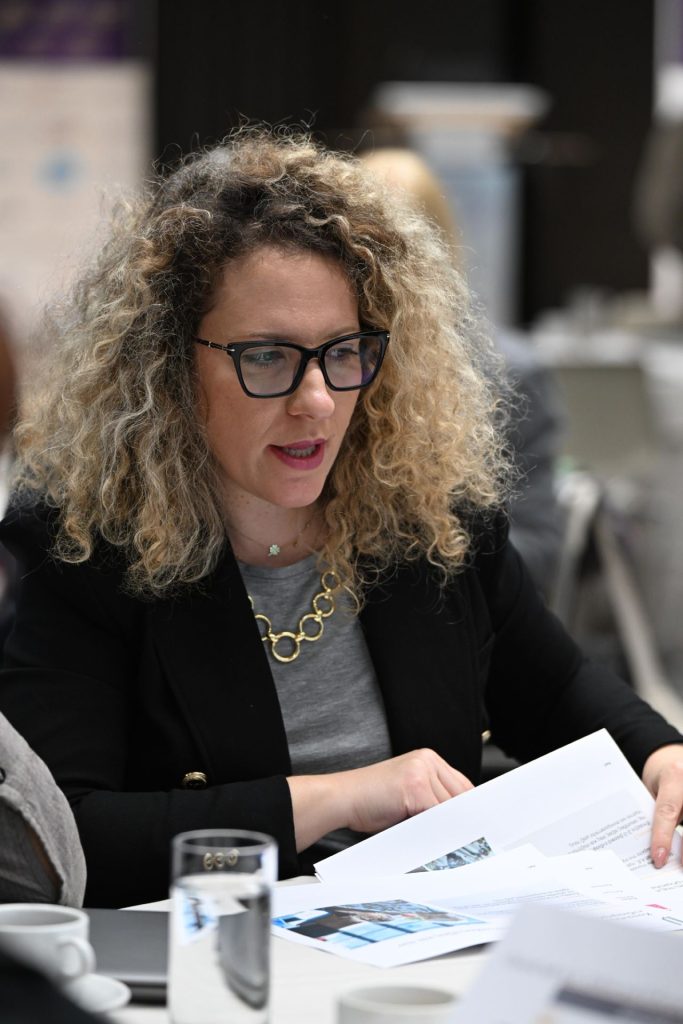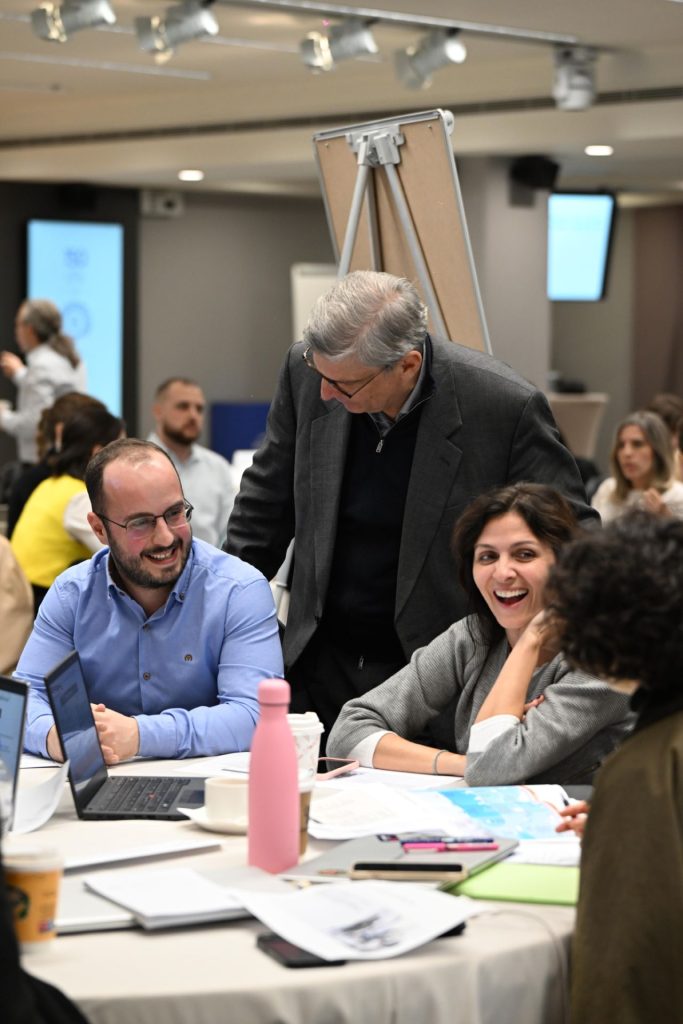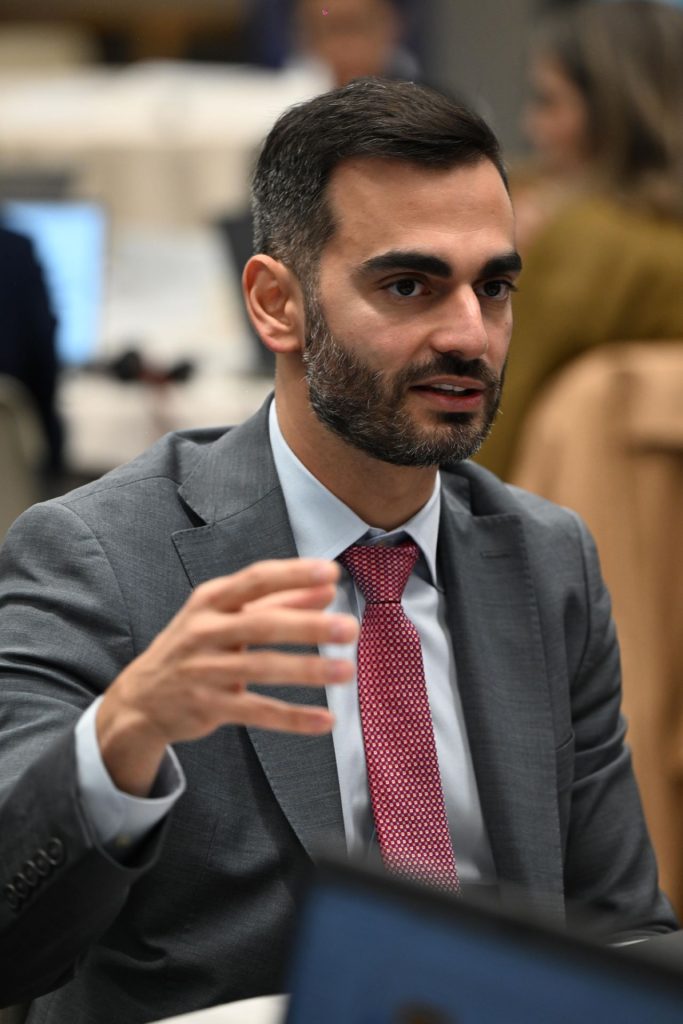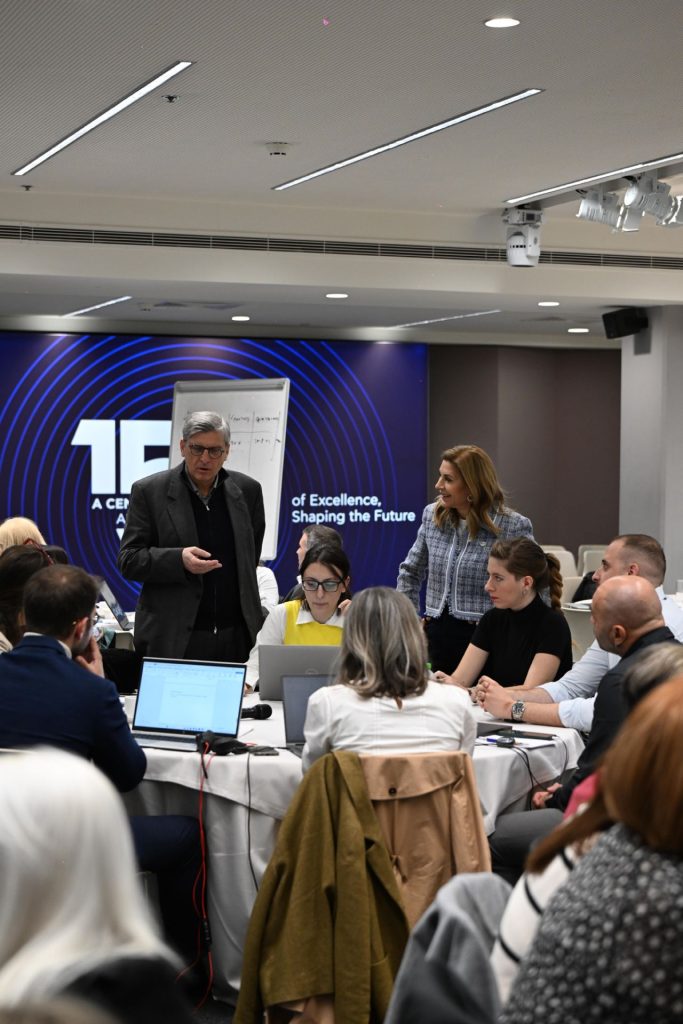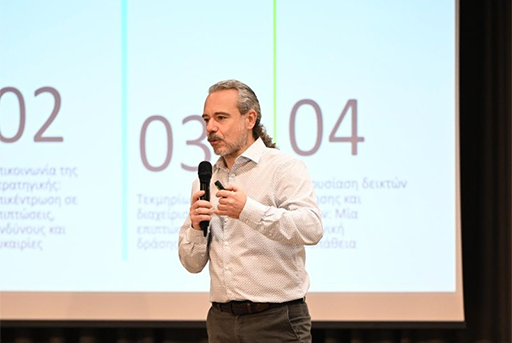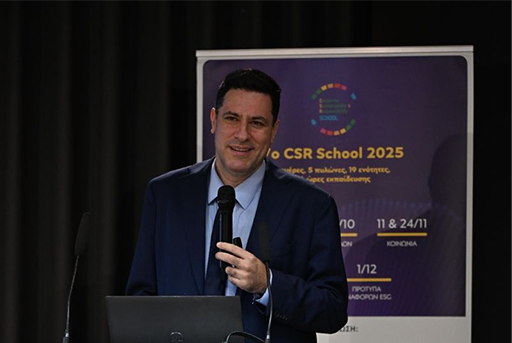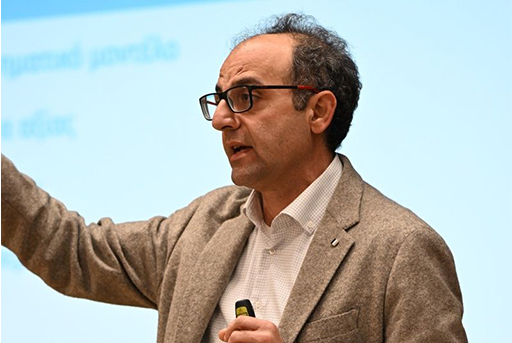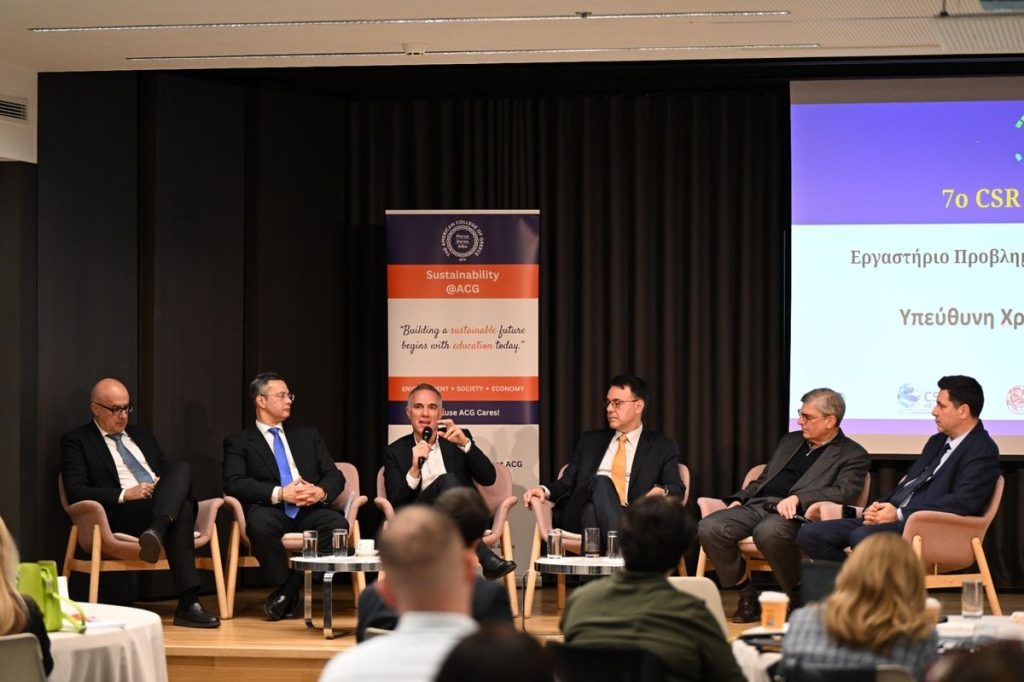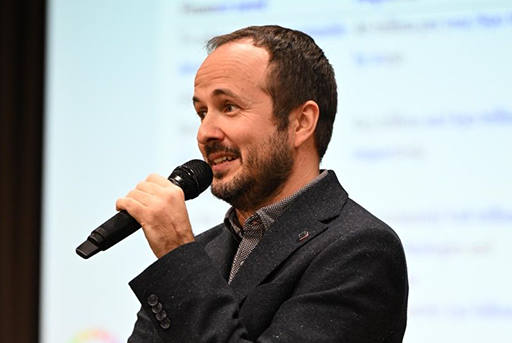
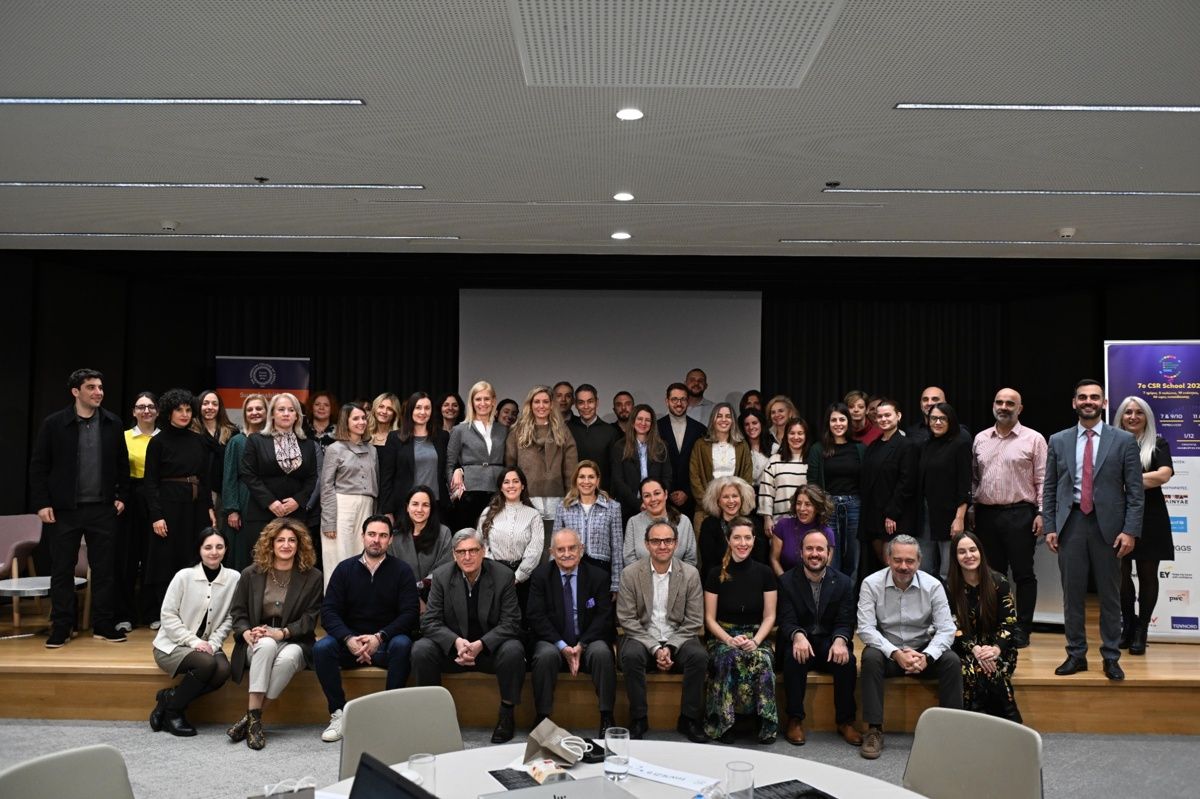
The 7th CSR School — co-organized by CSR HELLAS, The American College of Greece (ACG), and the University of Crete — has officially wrapped up, completing yet another impactful cycle of executive training on Corporate Social Responsibility, Sustainability, and ESG.
Held from October 10 to December 1, 2025, at the ACG Aghia Paraskevi campus, the program once again served as a reference point for professionals seeking to strengthen their sustainability leadership skills.
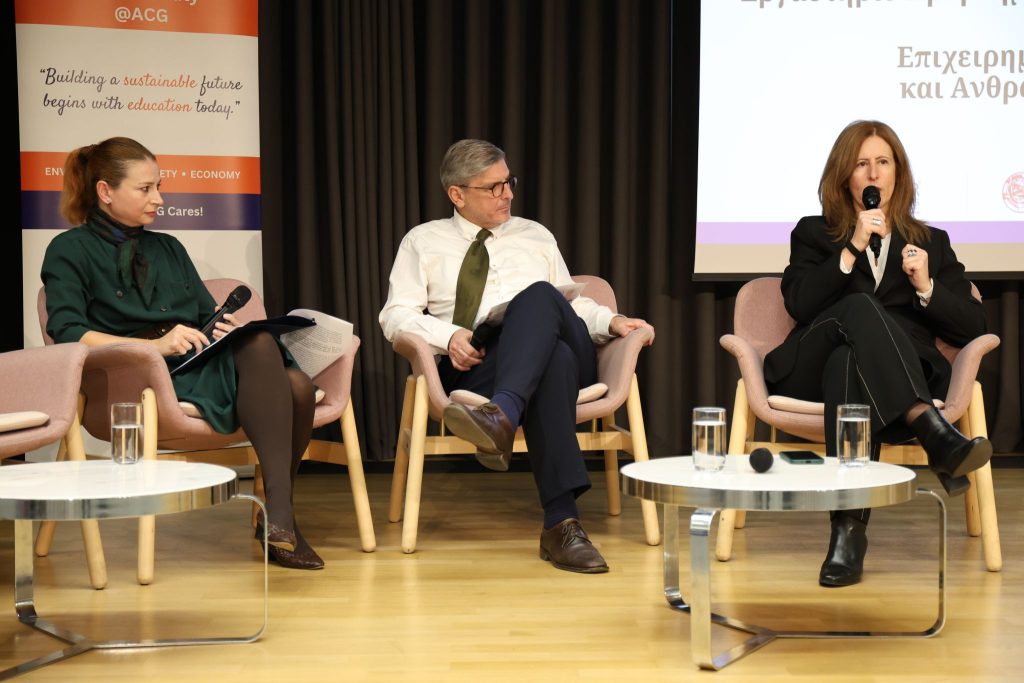
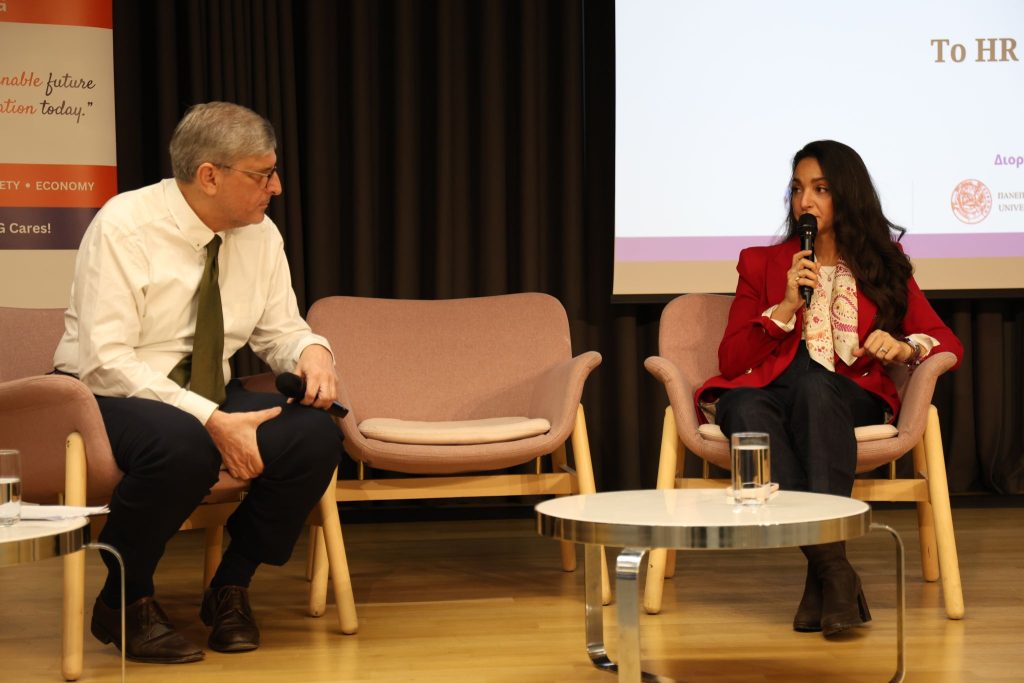
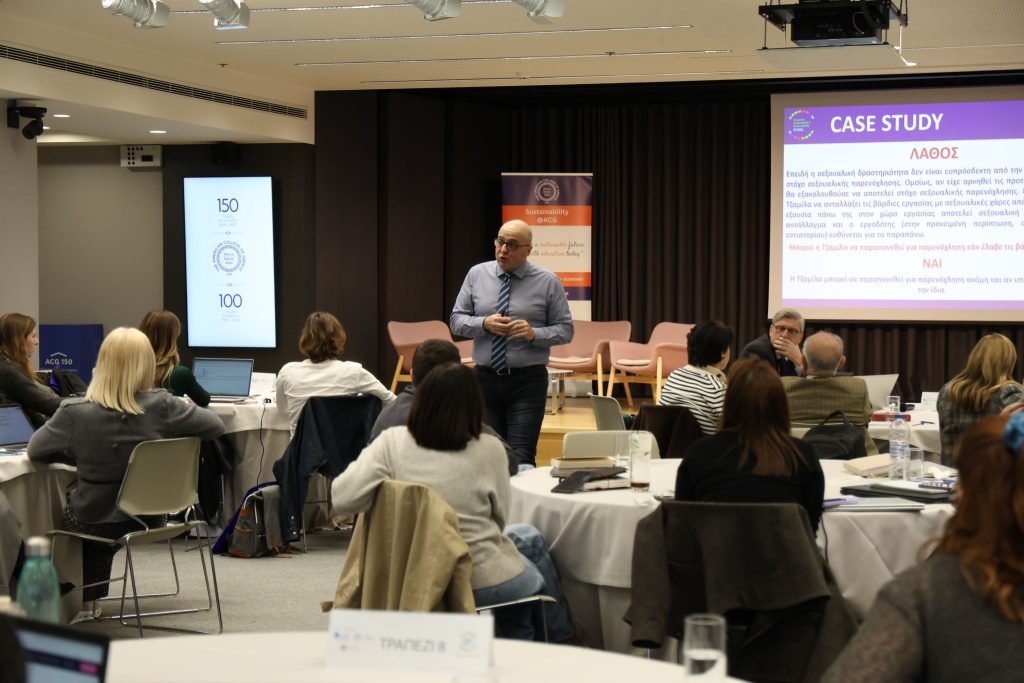
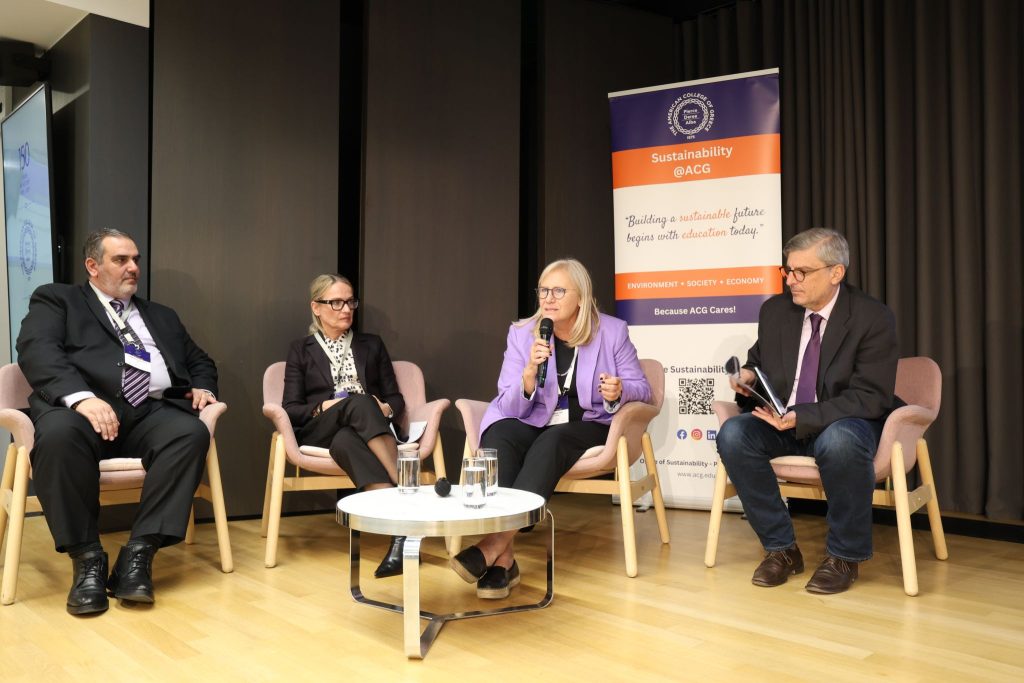
Across 7 intensive days and 56 training hours, 59 trainees engaged with 71 leading academics, business executives, industry experts, and representatives from institutional bodies and civil society, who shared knowledge, tools, best practices, and real-world perspectives on how organizations can advance responsible, forward-looking, and sustainable strategies. This year’s cycle included 5 workshops and 2 roundtable discussions on current topics in the sustainability landscape. Participants who successfully completed the training were certified as “CSR, ESG & Sustainability Officers” by TUV Austria Hellas and the Hellenic Accreditation System (ESYD).
The ACG Office of Sustainability – Public Affairs played a central coordinating role, contributing to program design, academic and administrative participation, thematic development, and the overall experience.
This year’s edition brought together a strong academic presence from ACG – roughly 12% of the experts –, with 8 faculty members across Environmental Science, Psychology, Human Resource Management, Finance, and Marketing, and one administrator, enriching the curriculum with interdisciplinary insights across all 5 pillars of the program.
Day 1: Ethics, Culture & the Foundations of Sustainability
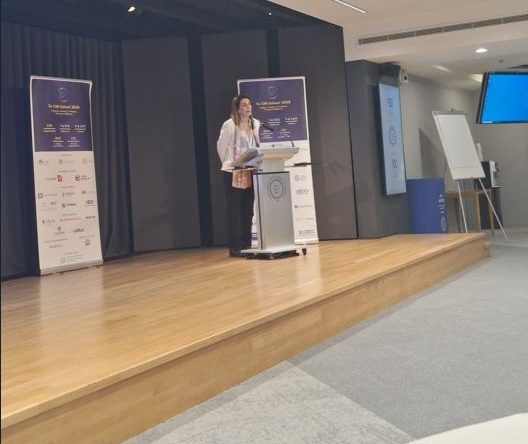
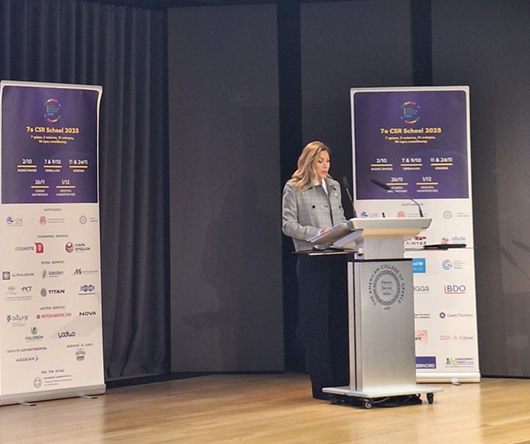
On the opening day, Alexandra Palli Giannakopoulos, Chair, CSR Hellas, Claudia Carydis, Vice President of Public Affairs, The American College of Greece, Stellina Siarapi, Secretary General for Private Investments, Ministry of Development, and Ioannis Bratakos, President, EBEA – ACCI, warmly welcomed all participants.
Sessions introduced the fundamentals of business ethics, sustainability, and strategic philanthropy, concluding with a best-practice case on social impact measurement (SROI).
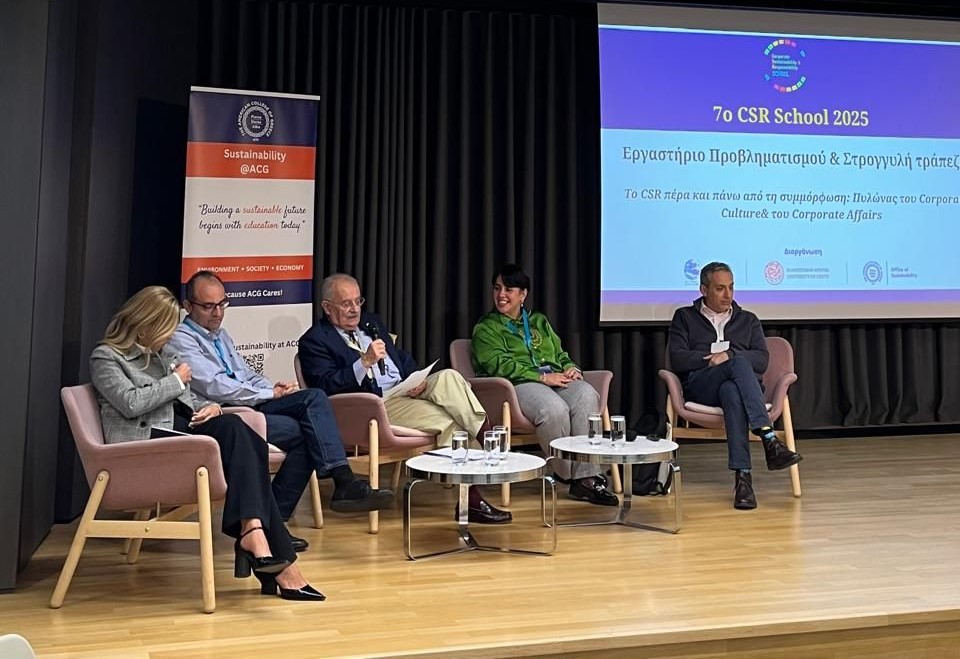
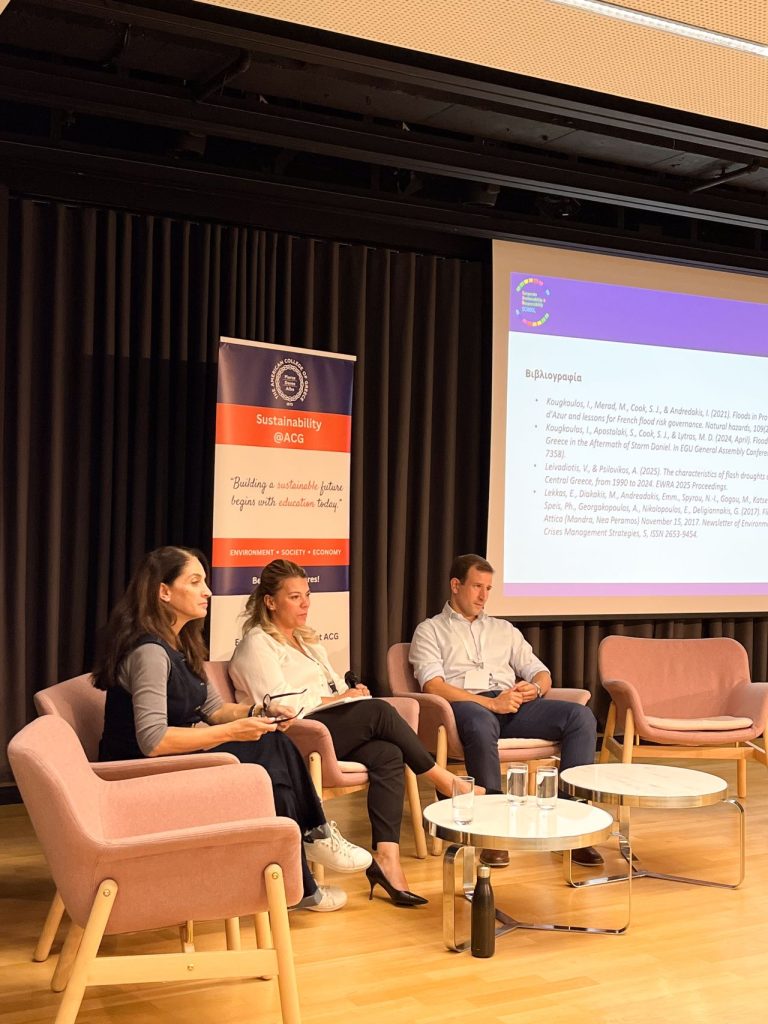
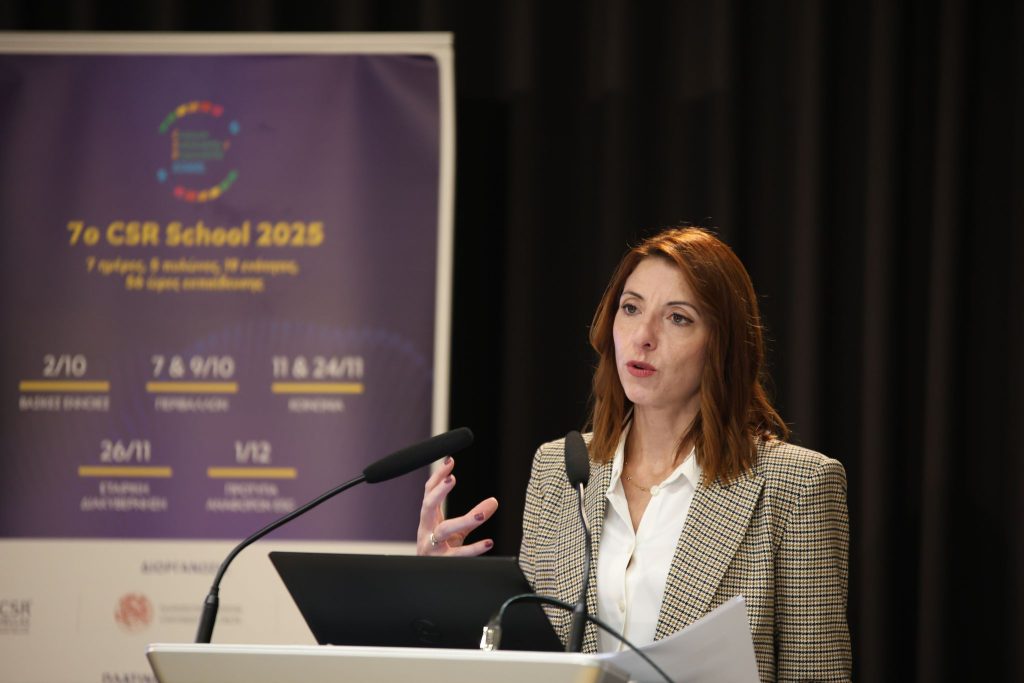
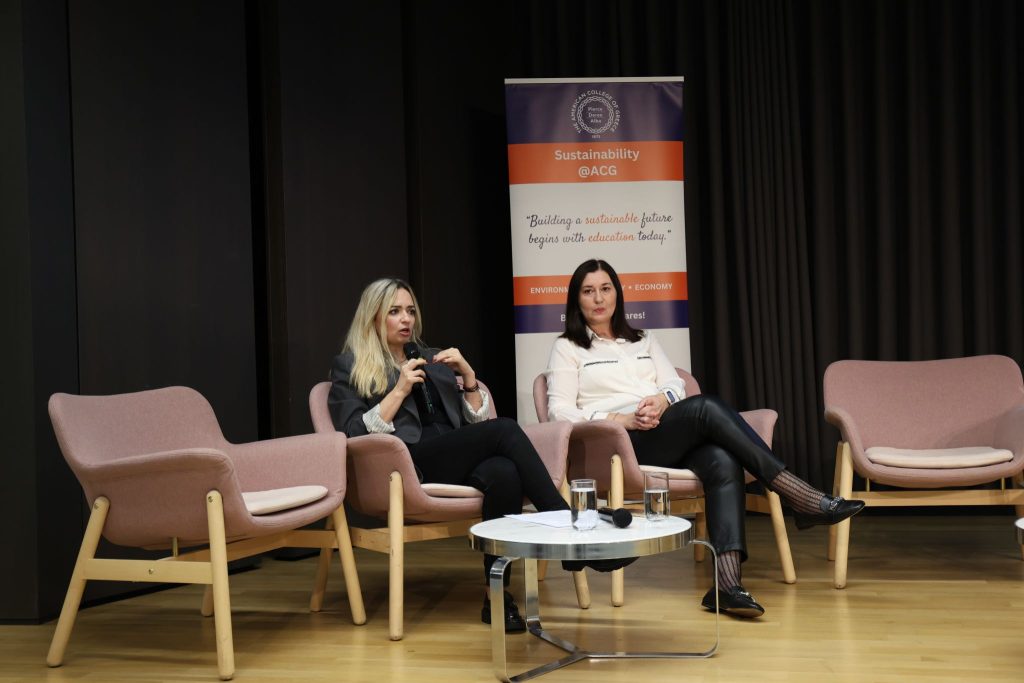
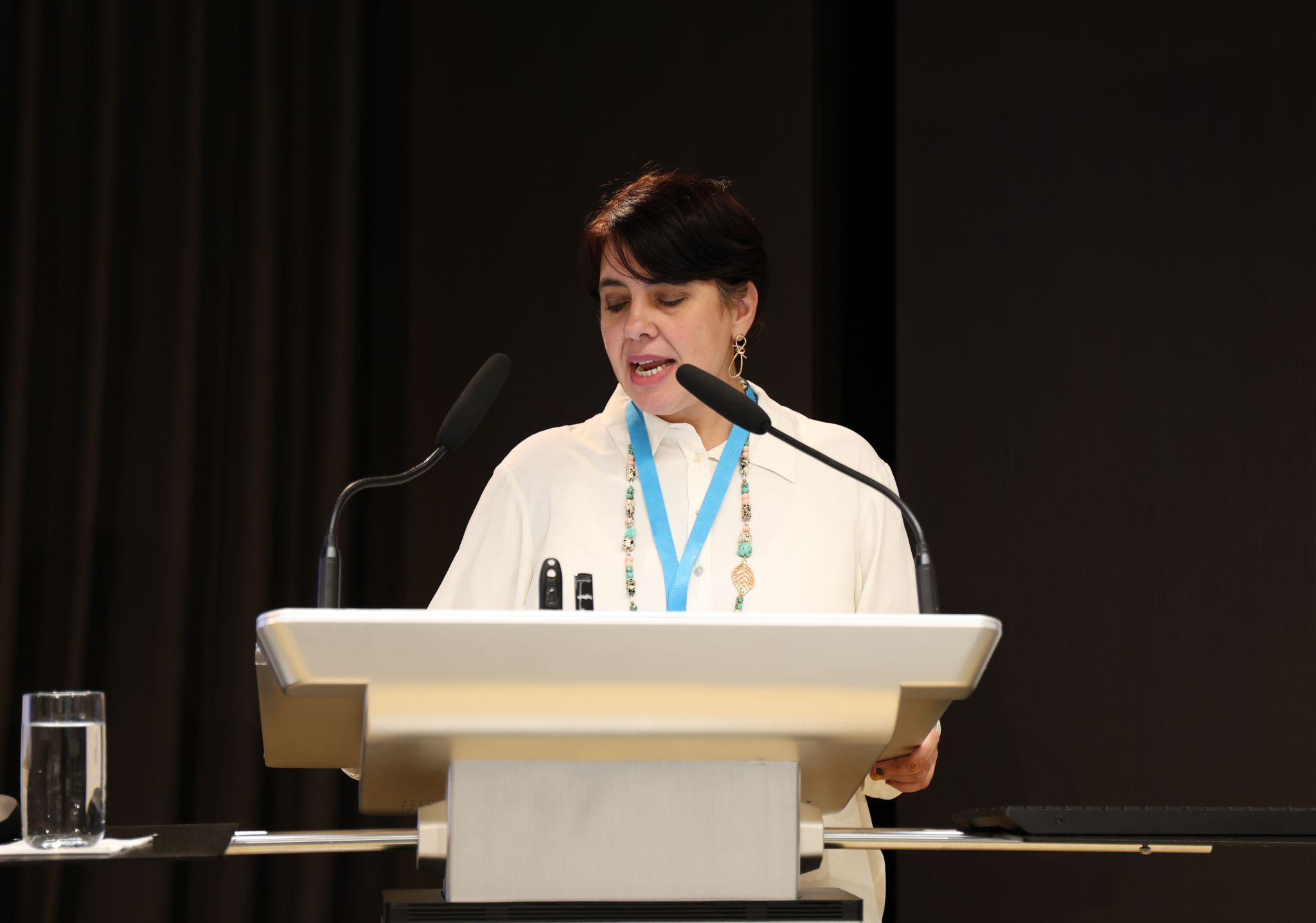
Rania Assariotaki, Director, Office of Sustainability – Public Affairs, ACG, contributed to the reflection workshop and roundtable discussion by highlighting the role of higher education institutions in advancing sustainability leadership and social impact.
Days 2 & 3: The Environmental Pillar in Depth
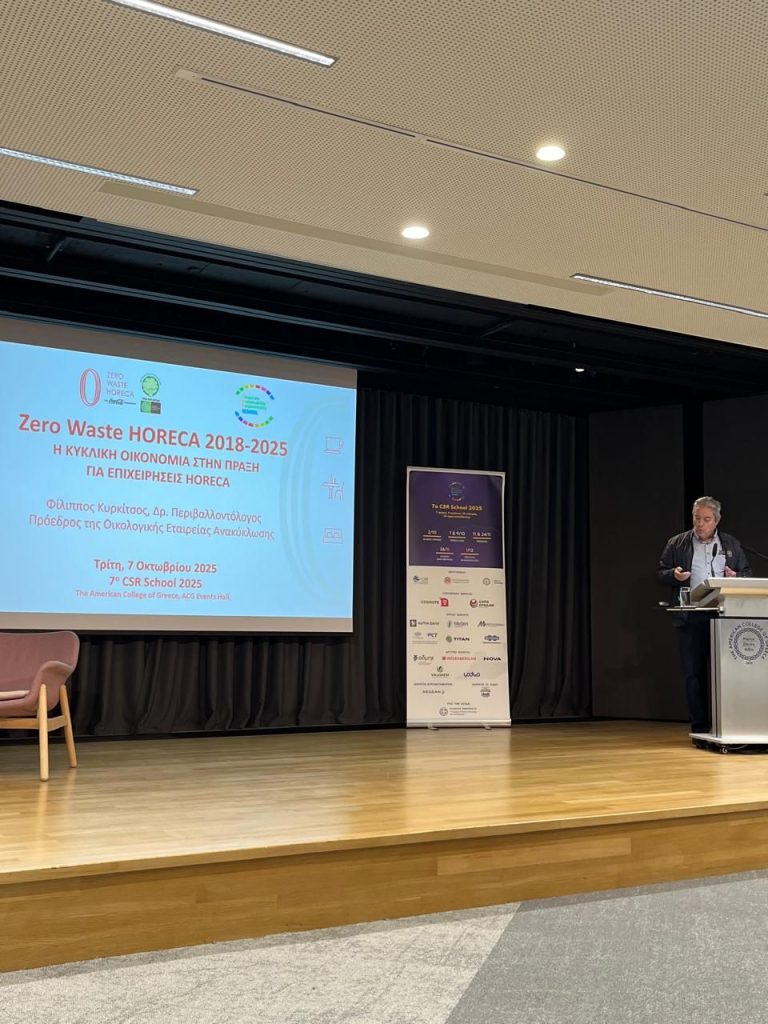
Over two full days, participants explored climate change, the circular economy, biodiversity, water management, environmental risk prevention, carbon measurement, decarbonization strategies, and renewable energy.
Representatives from the ACG faculty and administration contributed heavily to these sessions:
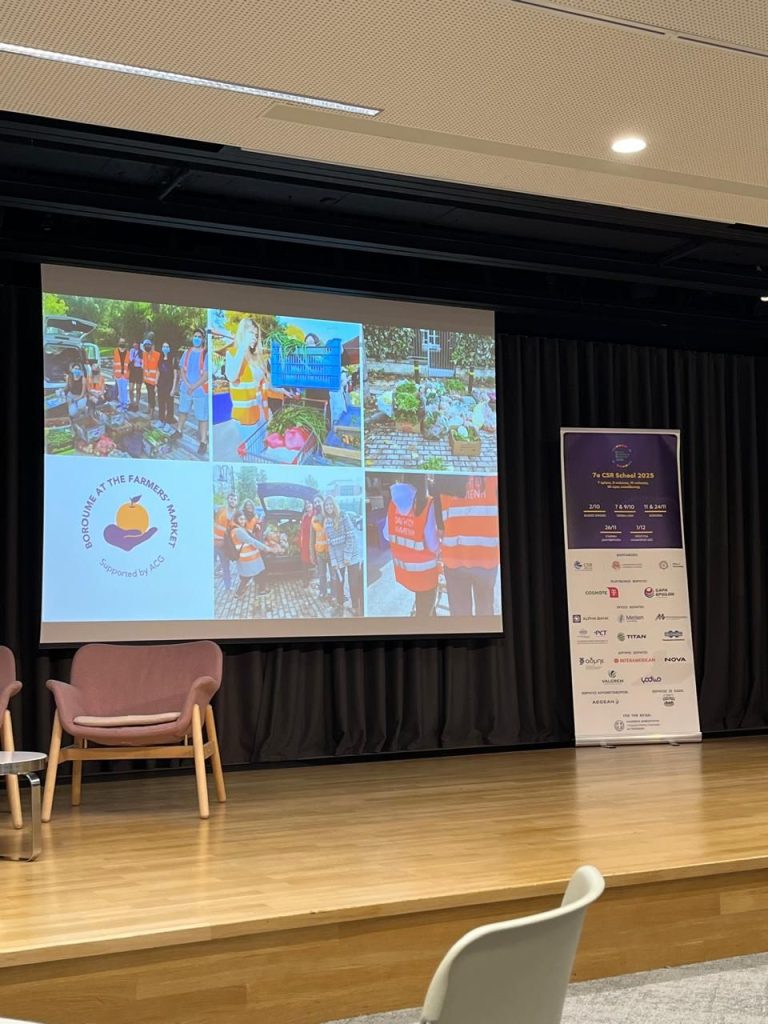
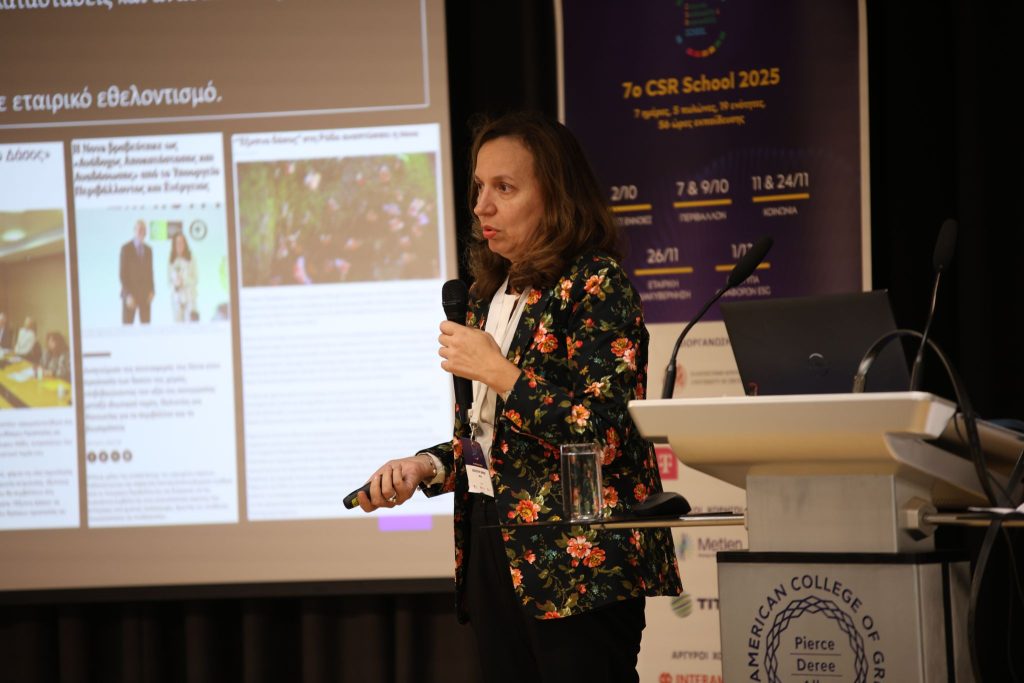
- Rania Assariotaki, presenting Boroume at the Farmers’ Market, powered by ACG, as a best practice in circular economy and social impact.
- Ioannis Kougkoulos, Assistant Professor of Environmental Sciences, ACG, leading the session on water management alongside EYDAP.
- Stella Apostolakis, Executive Director, Center of Excellence in Sustainability & Assistant Professor of Environmental Science, ACG, delivering a major presentation on biodiversity and business resilience, highlighting how nature shapes sustainable business models.
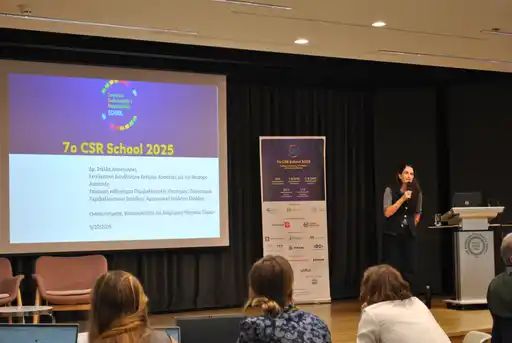
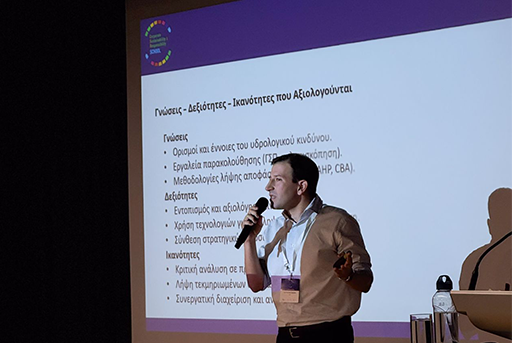
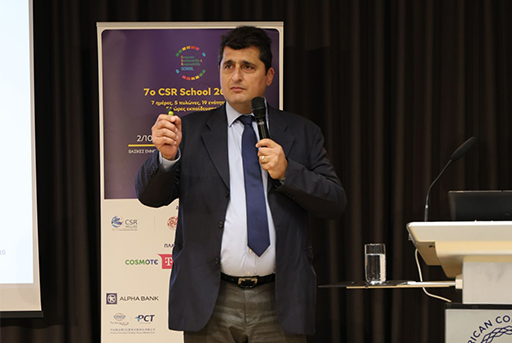
The best practice sessions featured professionals from TITAN, PCT, Nova, VALOREM, and Alpha Bank, and an introduction to the Hellenic Sustainable Business Agreement (ESBE) as a tool for responsible enterprise development.
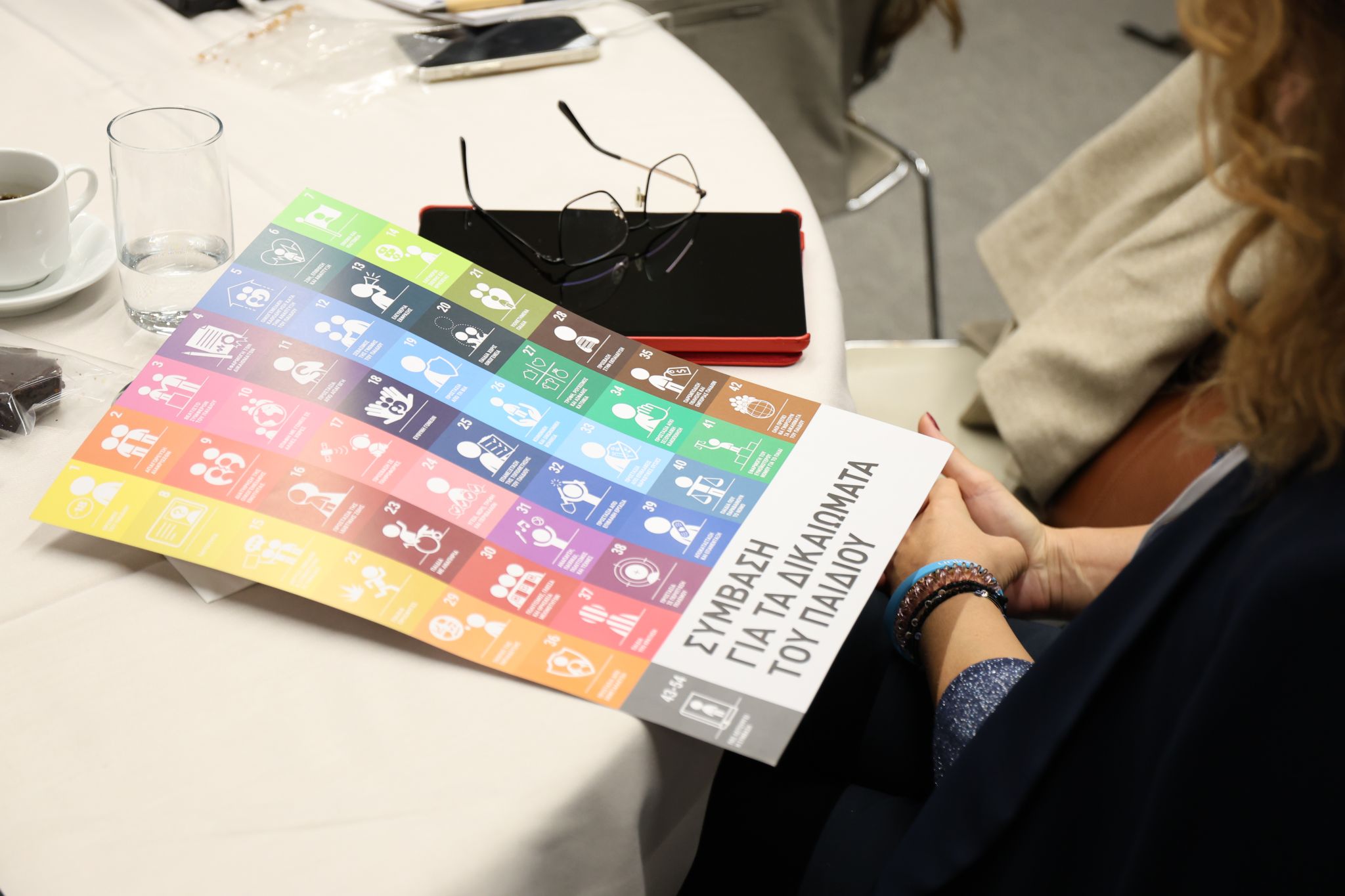
Days 4 & 5: Human Rights, Inclusion & the Social Dimension of ESG
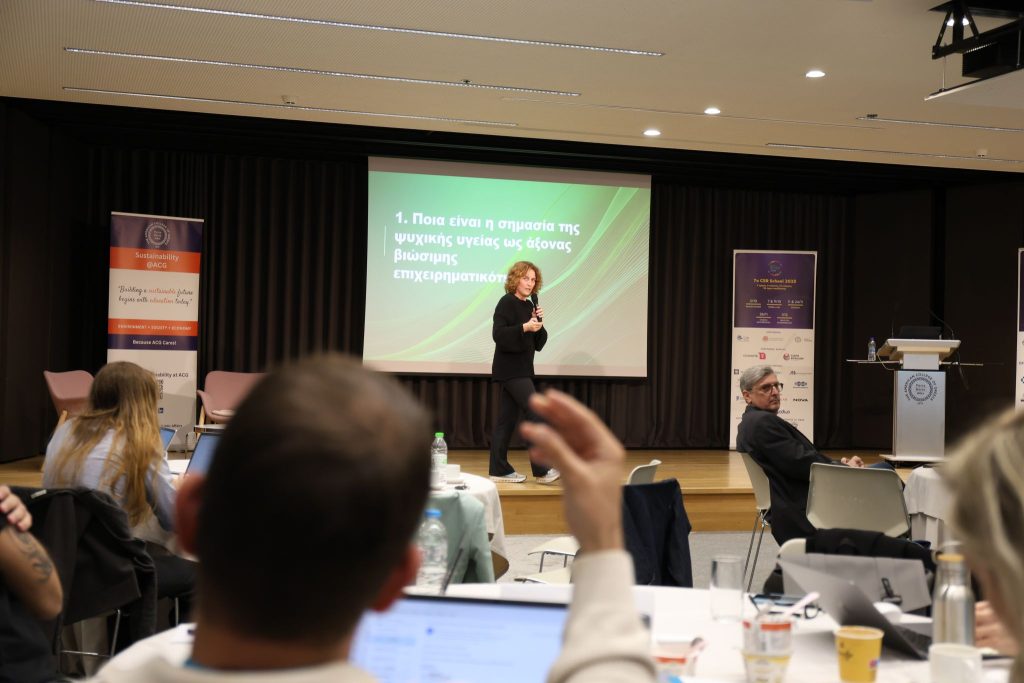
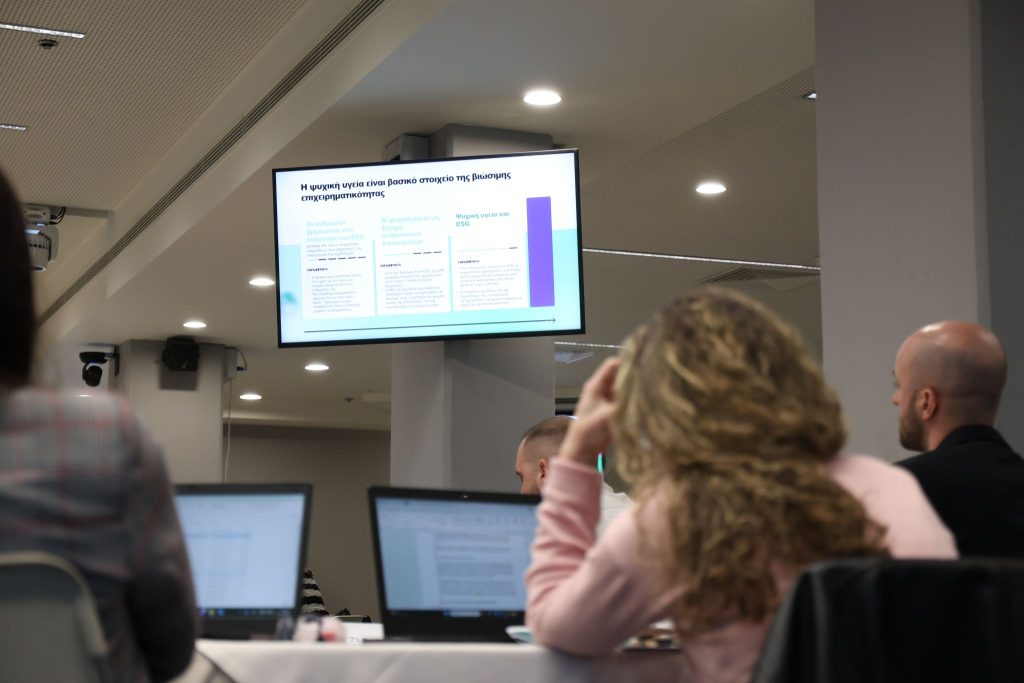
The focus then shifted to the societal pillar, with sessions on human rights across corporate value chains, Diversity, Equity, & Inclusion (DEI), mental health, wellbeing, and the role of HR in embedding sustainability into organizational culture.
ACG faculty contributed their valuable expertise on sustainable HR and organizational psychology:
- Konstantinos Tasoulis, Professor of Human Resource Management, Deree, highlighted HR’s strategic role in sustainable development.
- Olivia Kyriakidou, Assistant Professor of Organizational Psychology, Deree, shared practices for mental health, wellbeing, and psychological safety at work.
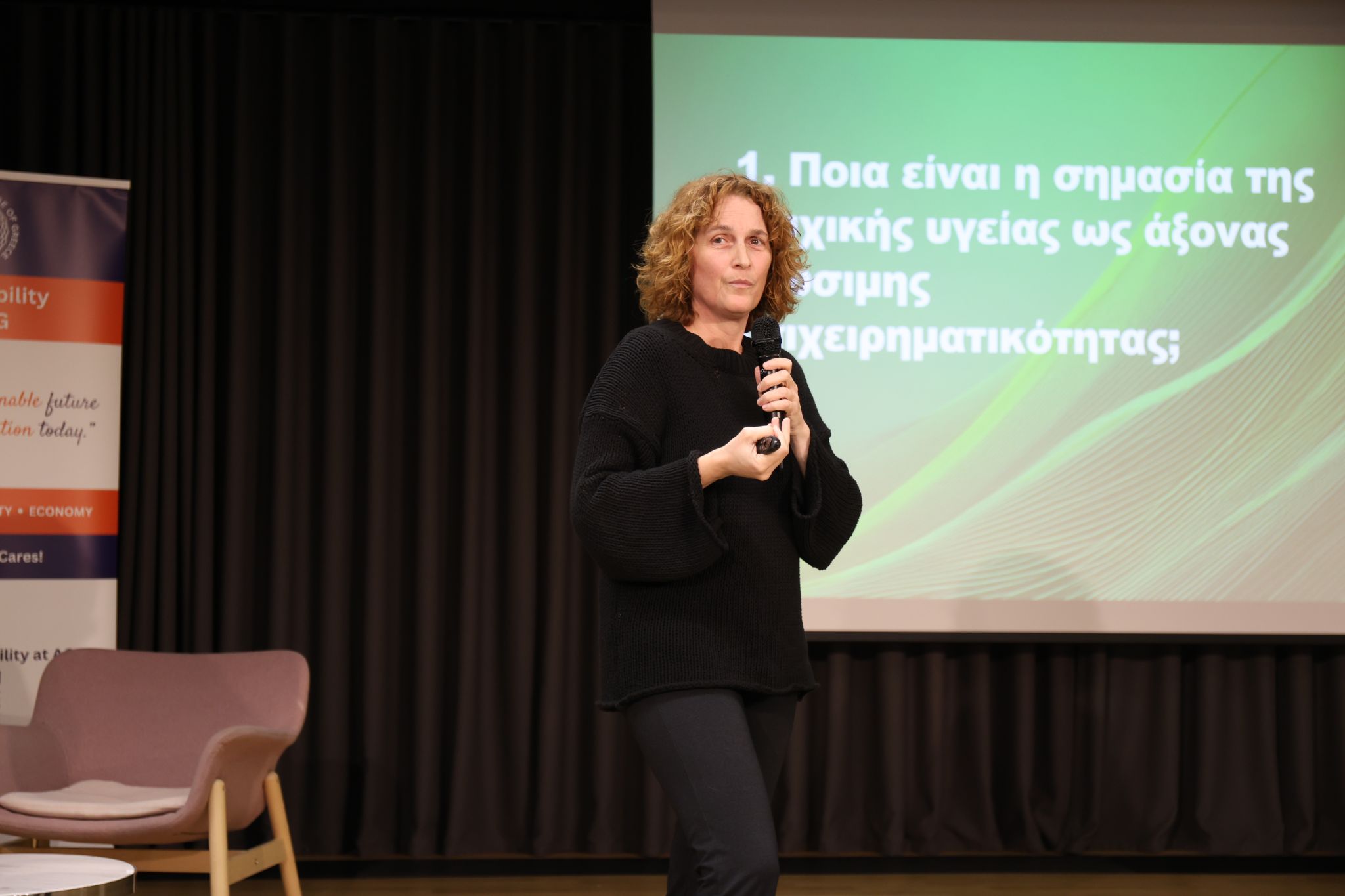
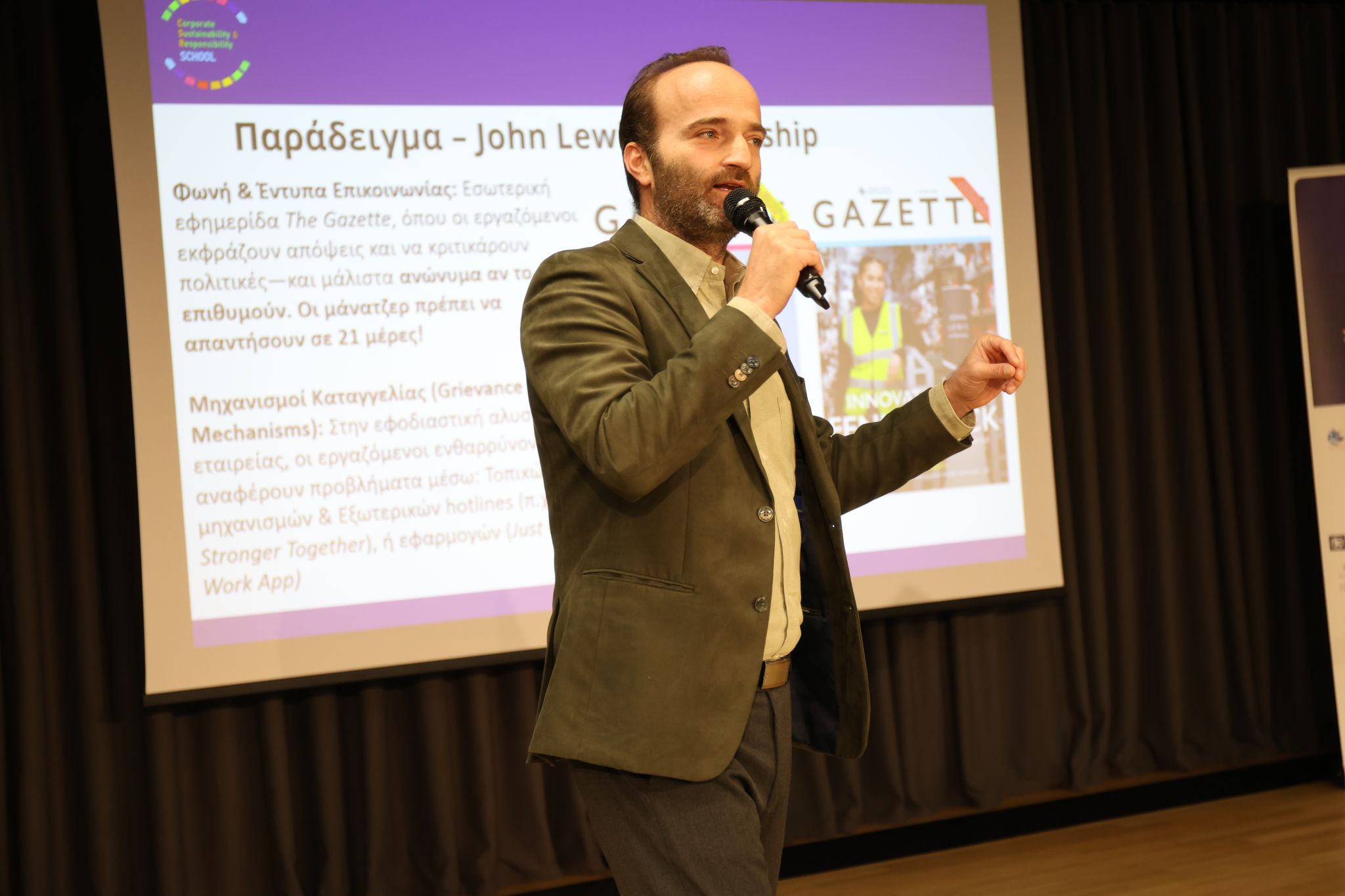
Sessions addressed real-world workplace challenges, including discrimination, harassment, bullying, gender-based violence, and psychosocial risk management, and the link between HR practices and ESG performance.
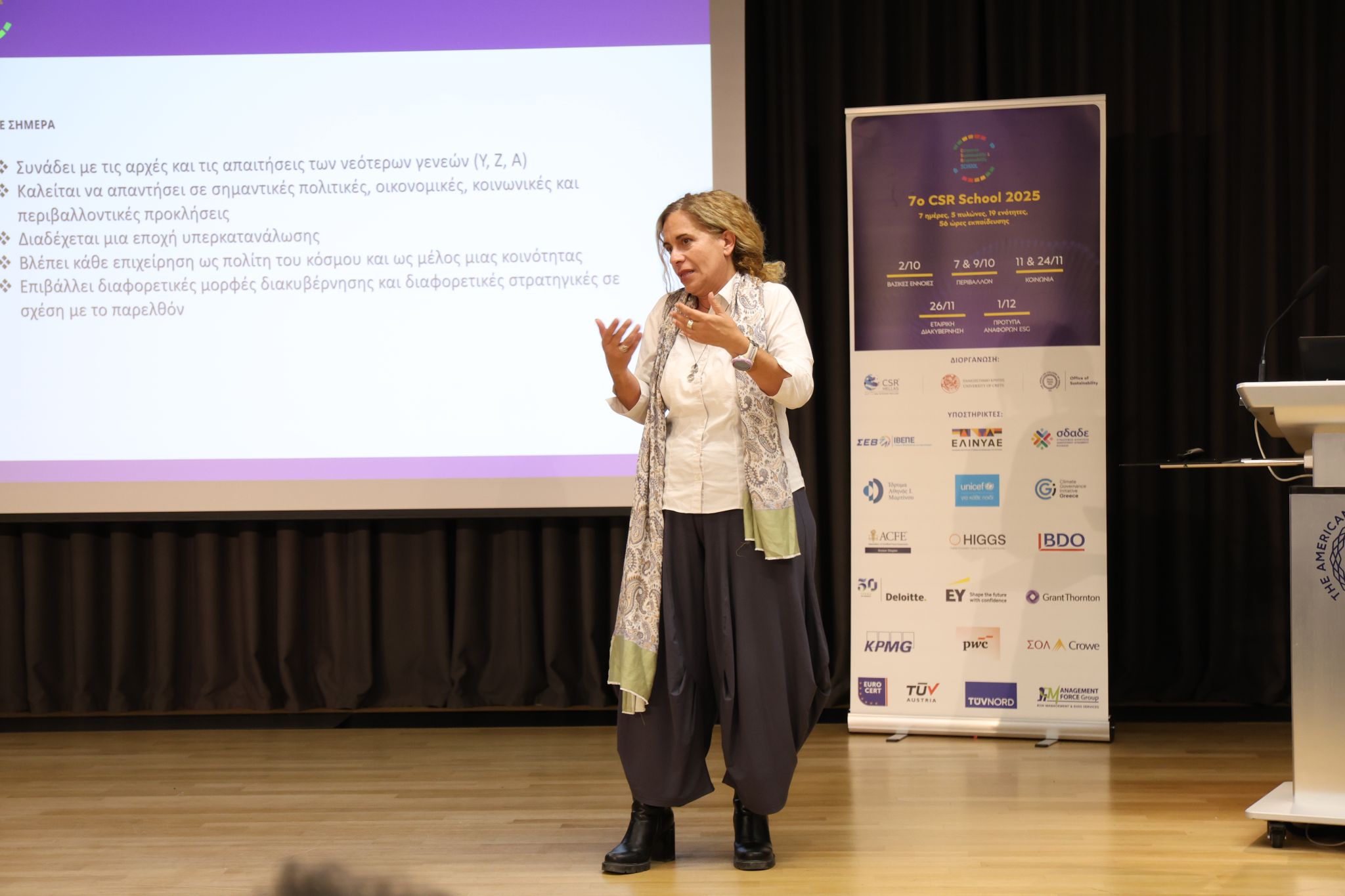
Day 6: Governance, Transparency & Responsible Leadership
Day 6 examined the Governance pillar, focusing on how ethical systems, transparency, and responsible communication build resilient organizations.
Discussions focused on governance, risk management, and compliance fundamentals, anti-corruption, fraud prevention, and the impact of ESG indicators on decision-making, public governance showcased through the example of AADE, ethical communication and greenwashing awareness, and technology’s role in governance, with the ETHOS tool and a Yodiwo–Fourlis case study.
Georgia-Zozeta Miliopoulou, PhD, Associate Professor & Associate Dean for Teaching and Learning, ACG, delivered a key session on responsible communication, unpacking the importance of accuracy, ethics, and avoiding greenwashing or bluewashing in corporate messaging.
Day 7: ESG Reporting Standards, Double Materiality & Sustainable Finance
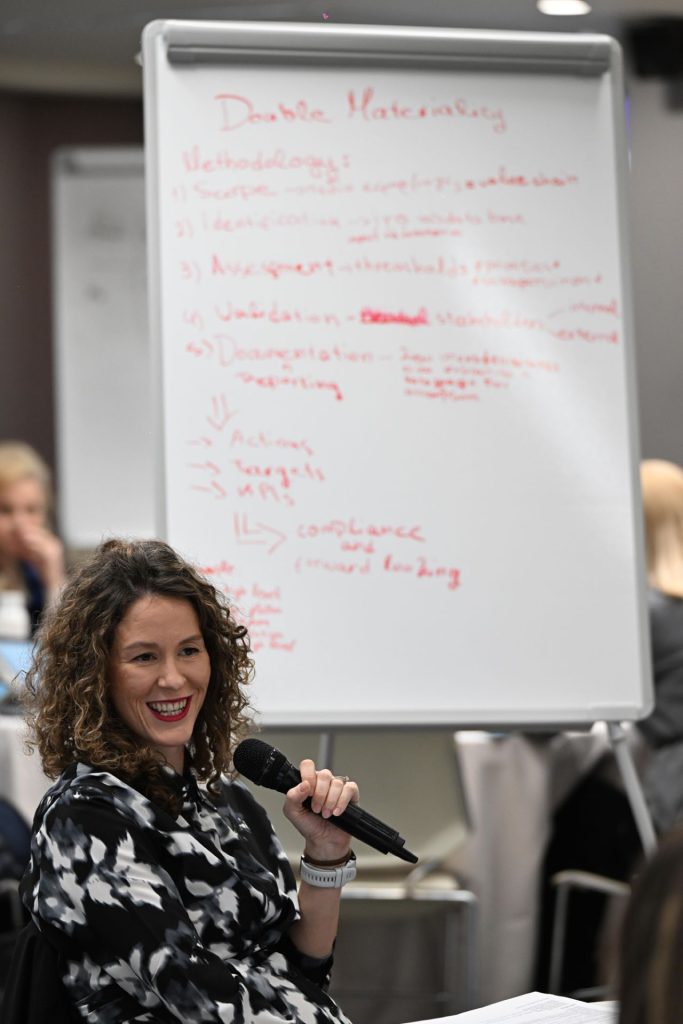
The final day explored CSRD and ESRS requirements, double materiality, and the growing landscape of sustainable finance.
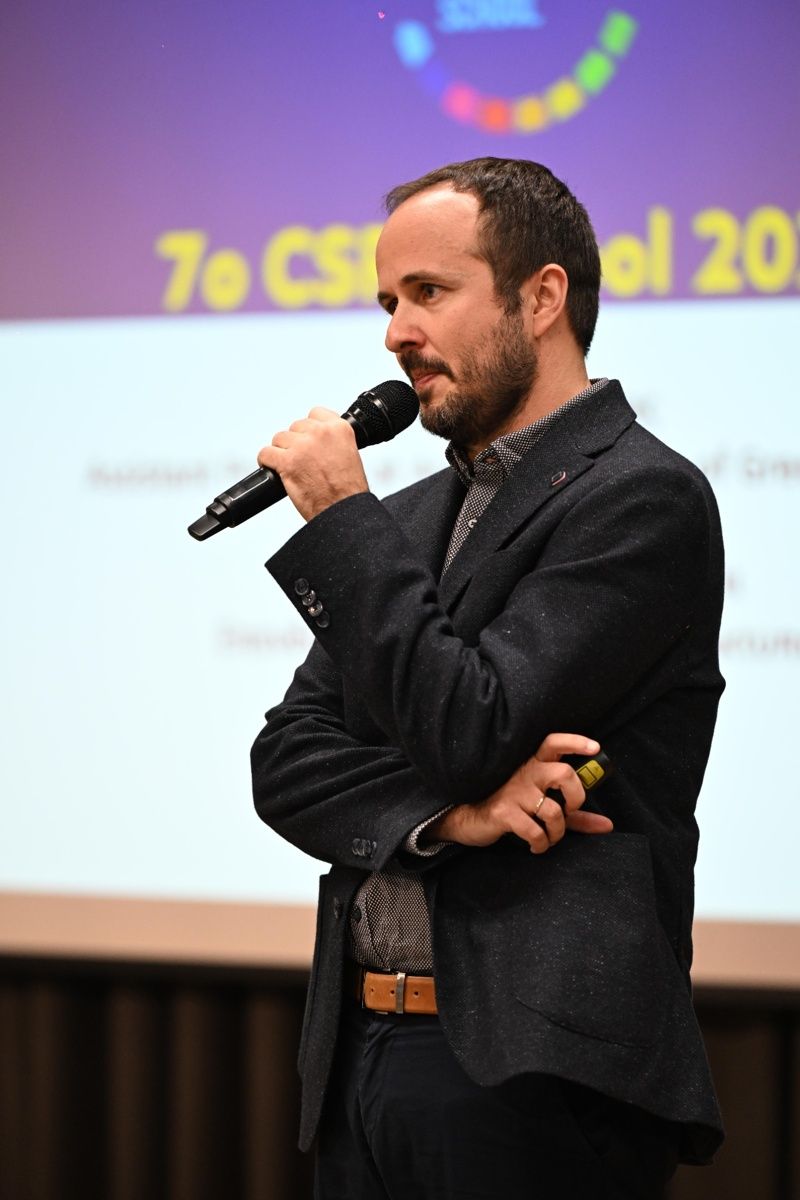
Giannis Vikas, Assistant Professor, Deree – The American College of Greece, presented the latest trends in sustainable finance and impact investing, offering participants a clear view of how ESG factors are shaping financial decision-making.
The day also included a large-scale Double Materiality workshop featuring BDO, Deloitte Greece, EY Greece, Grant Thornton Greece, KPMG Greece, PwC Greece, and ΣΟΛ Crowe, along with a best-practice session from Metlen Energy & Metals and a roundtable on responsible finance.
The program concluded with a special CSR School Alumni Wine Party, bringing together participants from the 2025 cohort and graduates from the previous 6 years for networking, knowledge exchange, and community building.
Thank you to all lecturers, participants, and partners for contributing to a meaningful and engaging training cycle!
This dynamic program, which is the first full-fledged collaboration between a public and a private university and a business network in Greece, is set to continue for an eight-cycle.