
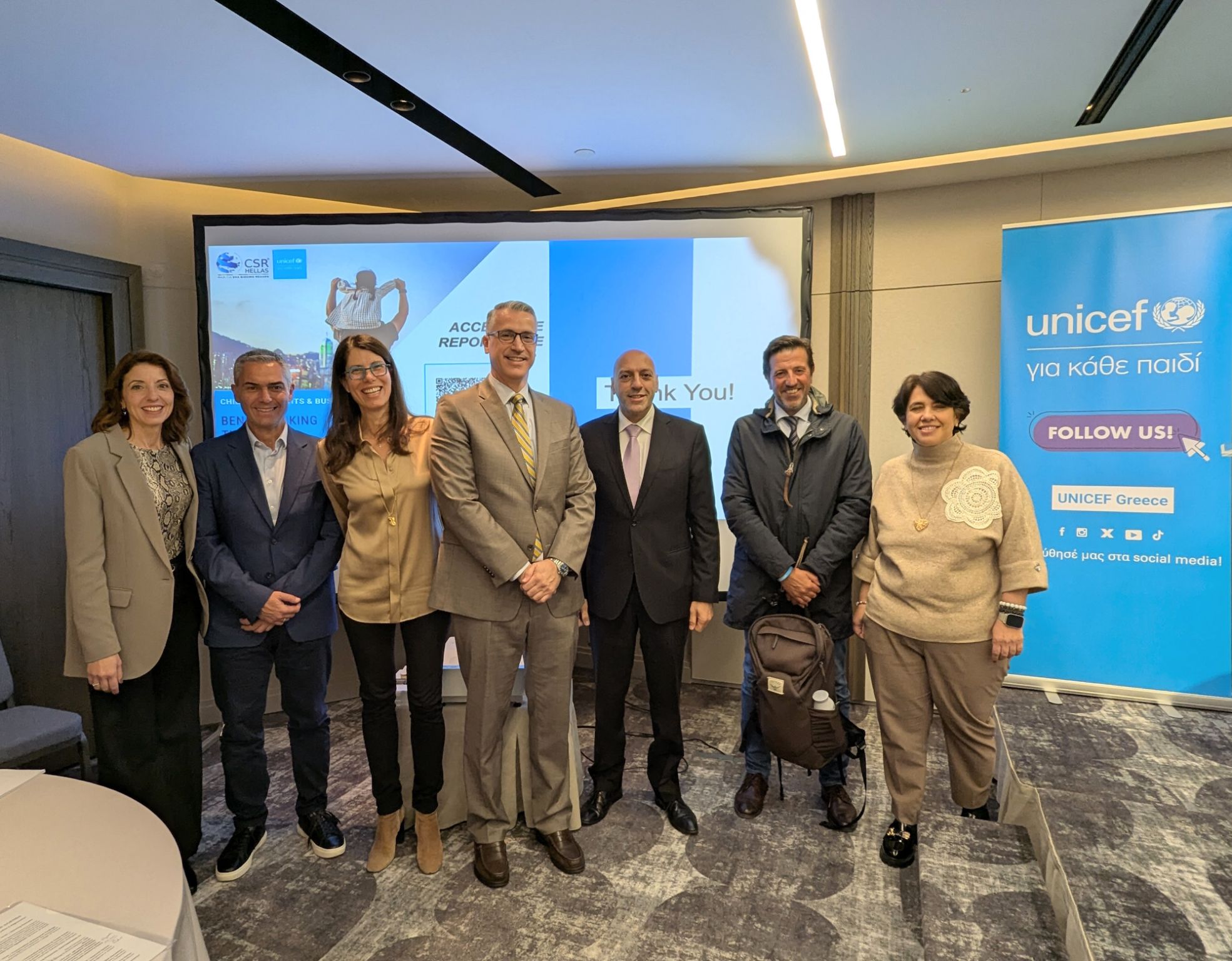
How do businesses in Greece integrate children’s rights into their operations, governance, and CSR strategies? For the first time, this question has been rigorously explored in a study conducted by the American College of Greece (ACG) in collaboration with UNICEF Greece.
The research, titled “Greek Business Sector and Children’s Rights: An Assessment”, provides a comprehensive picture of how companies understand and act on their responsibilities toward children—not only by preventing child labor, but also by supporting working parents, promoting work-life balance, and recognizing children as stakeholders in the communities where businesses operate.
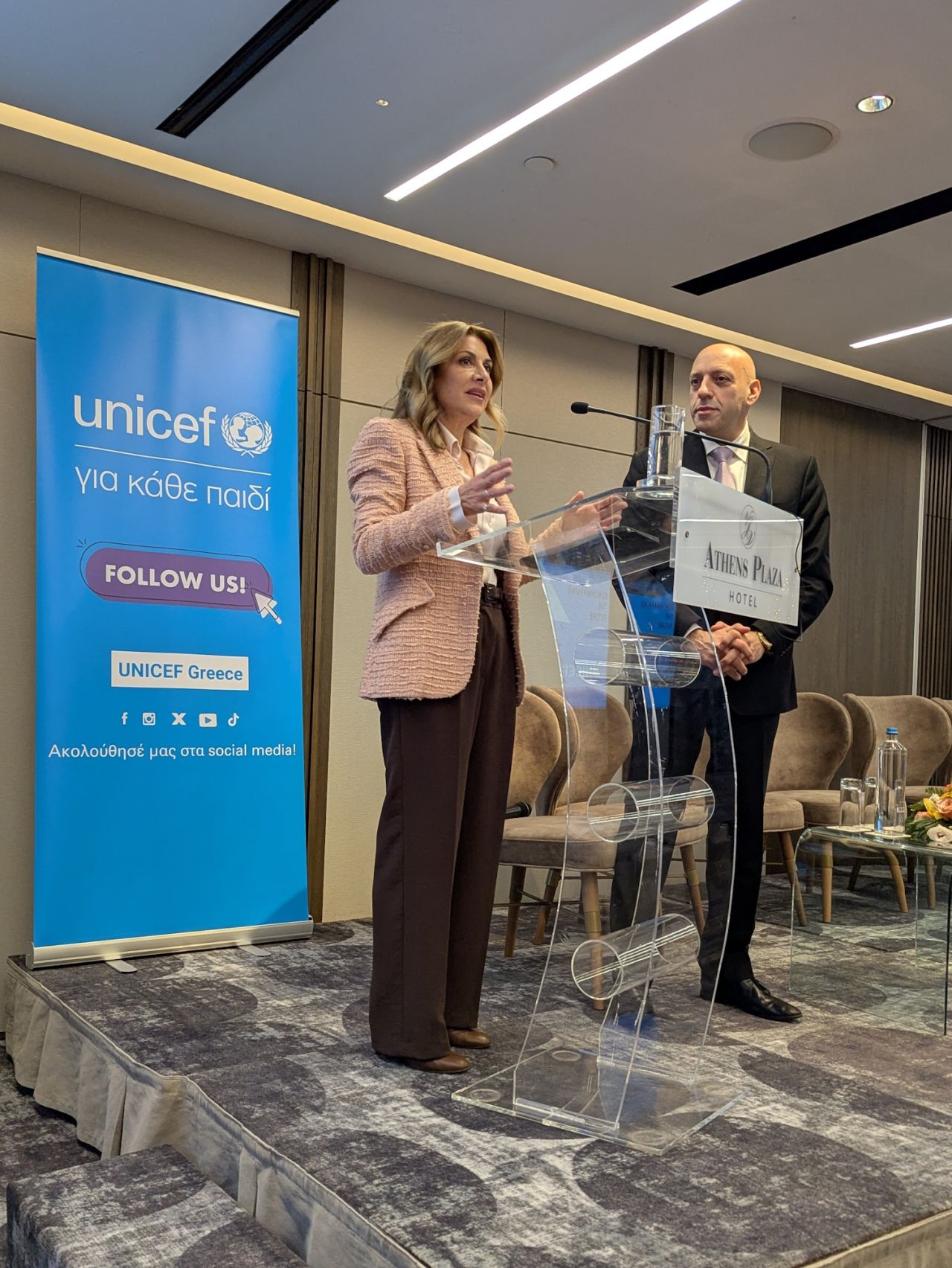
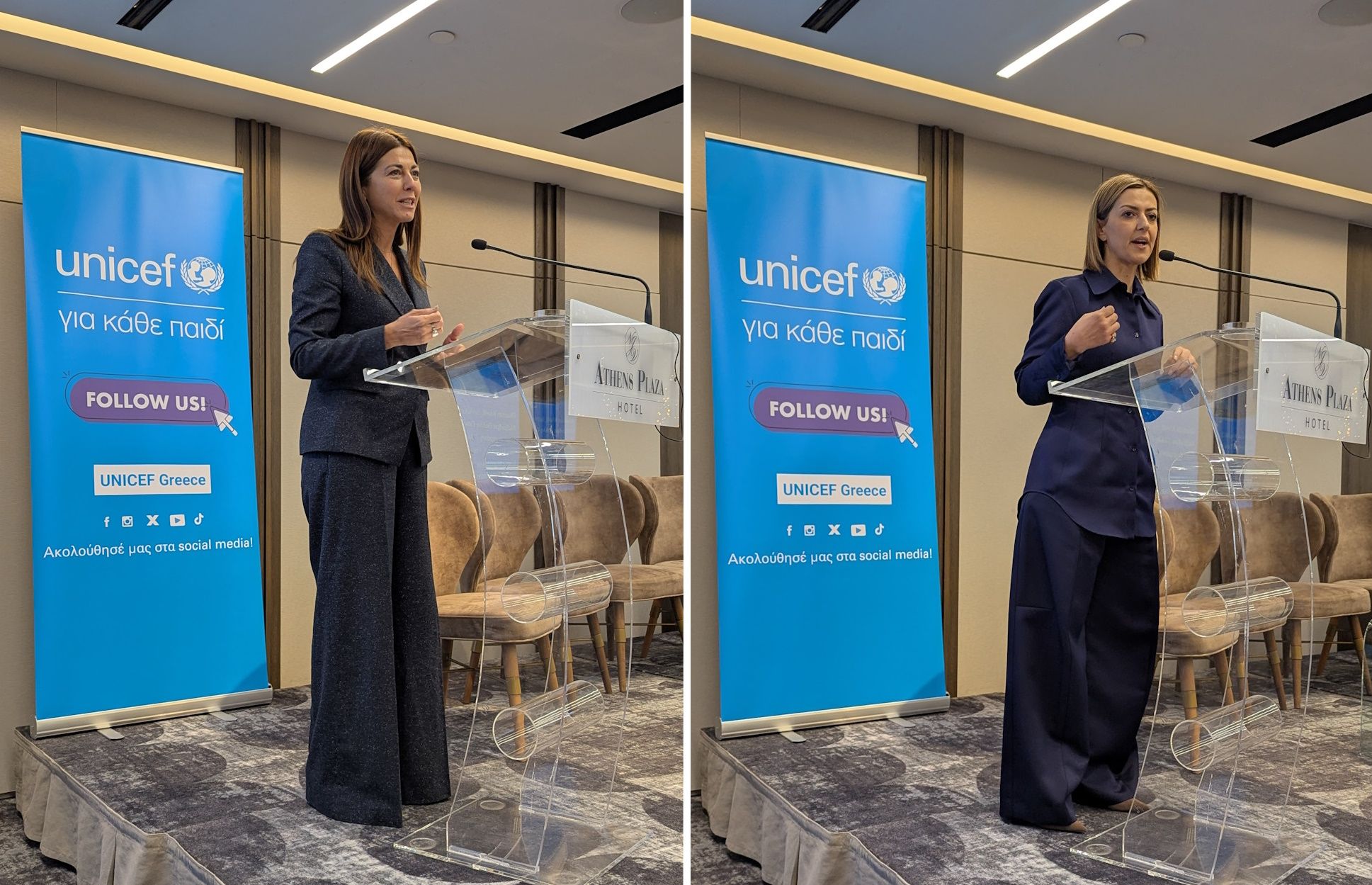
The study was presented publicly on December 3, 2025, at the conference “Children’s Rights & Business: Benchmarking the Future”, organized by UNICEF Greece and CSR Hellas. The conference brought together business leaders, government representatives, and young people to discuss findings and chart a path forward.
The assessment revealed a clear commitment-implementation gap: while about one-third of executives believe their companies meaningfully advance children’s rights, two-thirds are not acting sufficiently on this commitment. Many companies still equate supporting children’s rights with avoiding child labor, overlooking broader responsibilities such as family-friendly workplaces, supply chain due diligence, and youth engagement. Youth voices revealed skepticism: over 50% of surveyed young people reported feeling unheard, highlighting the need for tangible action that reaches their daily lives.
The research also showed that micro, small, and medium-sized enterprises—the backbone of the Greek economy—face particular challenges in translating intention into practice, often lacking training, resources, or guidance.
The interdisciplinary authors’ team collaborating under the ACG Research Center, utilized a mixed methods approach which included both surveys and focus groups to capture perspectives from both company executives and young people. Serving as the connecting point between the ACG Research Center and UNICEF Greece, the Office of Sustainability – Public Affairs played a central role in shaping, coordinating, and advancing this work.
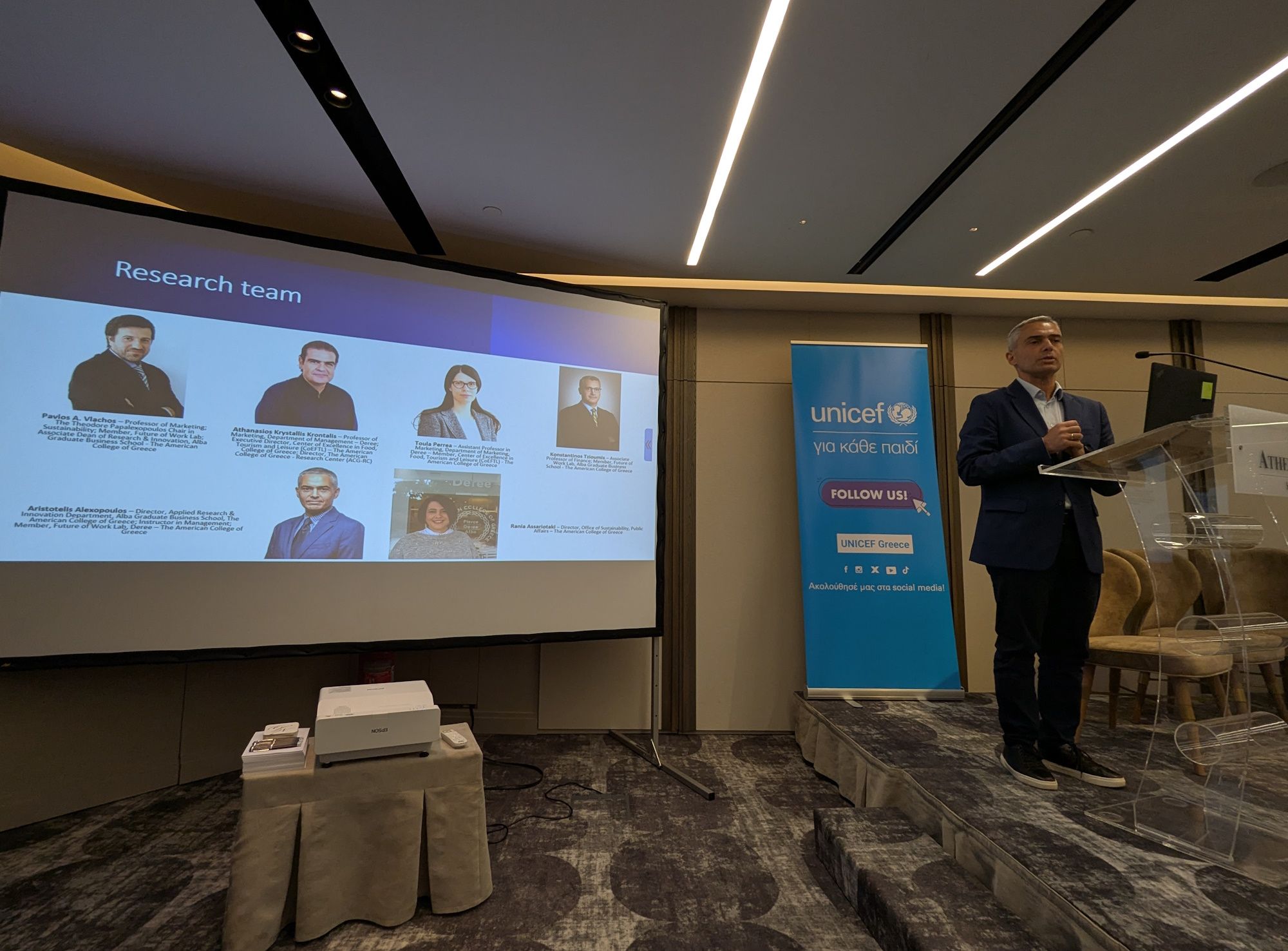
The research team comprising Pavlos A. Vlachos, Professor of Marketing and Associate Dean of Research & Innovation at Alba Graduate Business School, Athanasios Krystallis, CoEFTL Executive Director and ACG-RC Director, Toula Perrea, Assistant Professor and CoEFTL member, Konstantinos Tzioumis, Associate Professor of Finance, Aristotelis Alexopoulos, Director of Applied Research & Innovation at Alba), and Rania Assariotaki ACG Sustainability Director, Office of Sustainability – Public Affairs, focused on the following question: Do Greek companies understand their role in protecting and promoting children’s rights, and more importantly, are they acting on that understanding?
The Office of Sustainability – Public Affairs played a central role in coordinating the study and connecting research insights to policy and practice, ensuring the findings provide actionable guidance for Greek businesses.
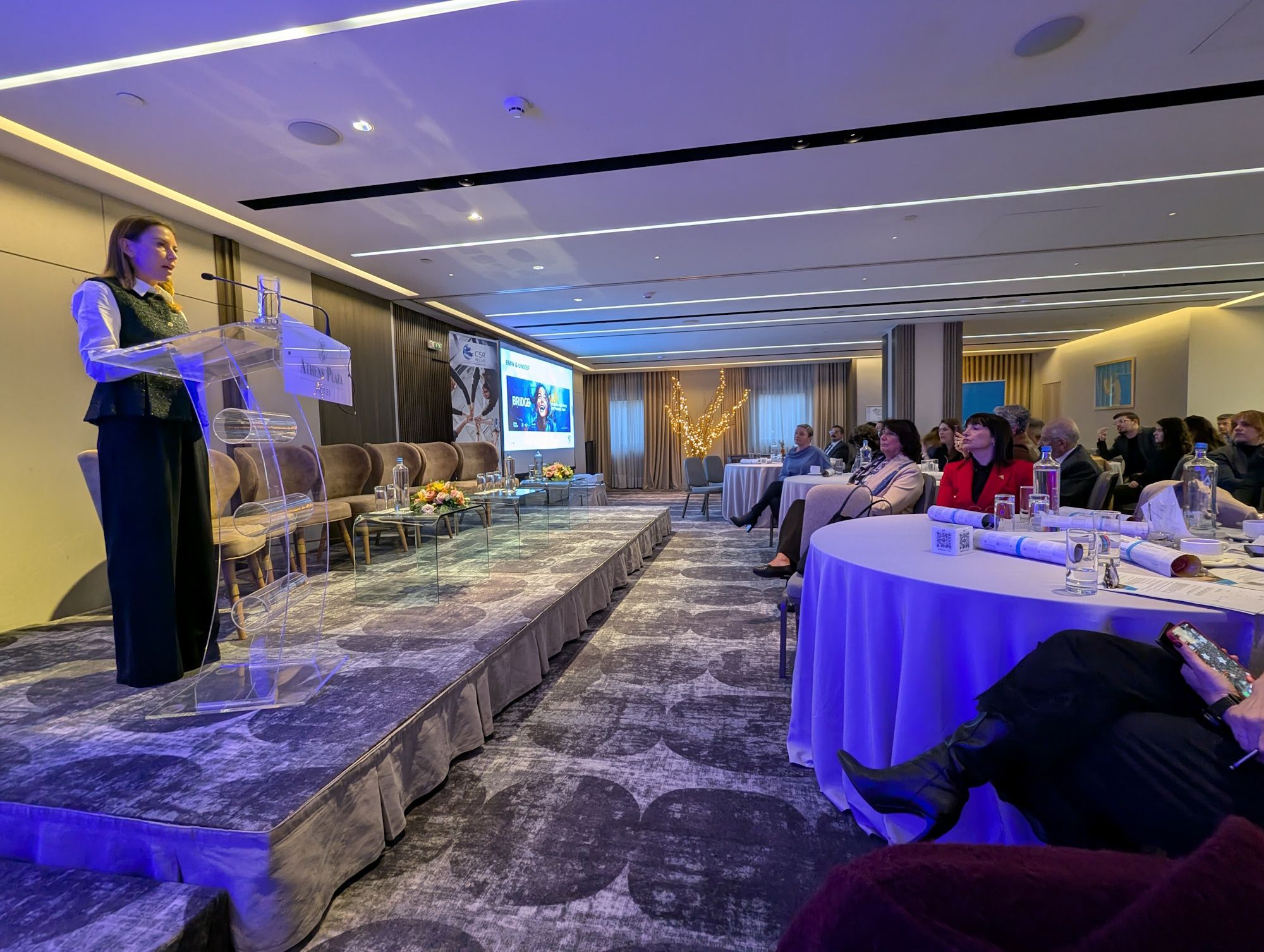
The research underscores the importance of embedding children’s rights into ESG frameworks and governance structures, creating family-friendly workplaces, strengthening supply chain due diligence, and systematically engaging youth voices in decision-making processes. UNICEF Greece representatives highlighted the study’s global significance and emphasized that children are stakeholders in every business sector.
Ghassan Khalil, UNICEF Representative in Greece, emphasized that investing in children is not only a moral obligation but a strategic one, with each dollar spent on children delivering significant social and economic returns. The assessment provides a baseline for businesses to evaluate their practices, improve transparency, and systematically include children’s rights in decision-making.
The full study, published in November 2025, is now publicly available, providing a valuable tool for any organization committed to integrating children’s rights into their business practices.