
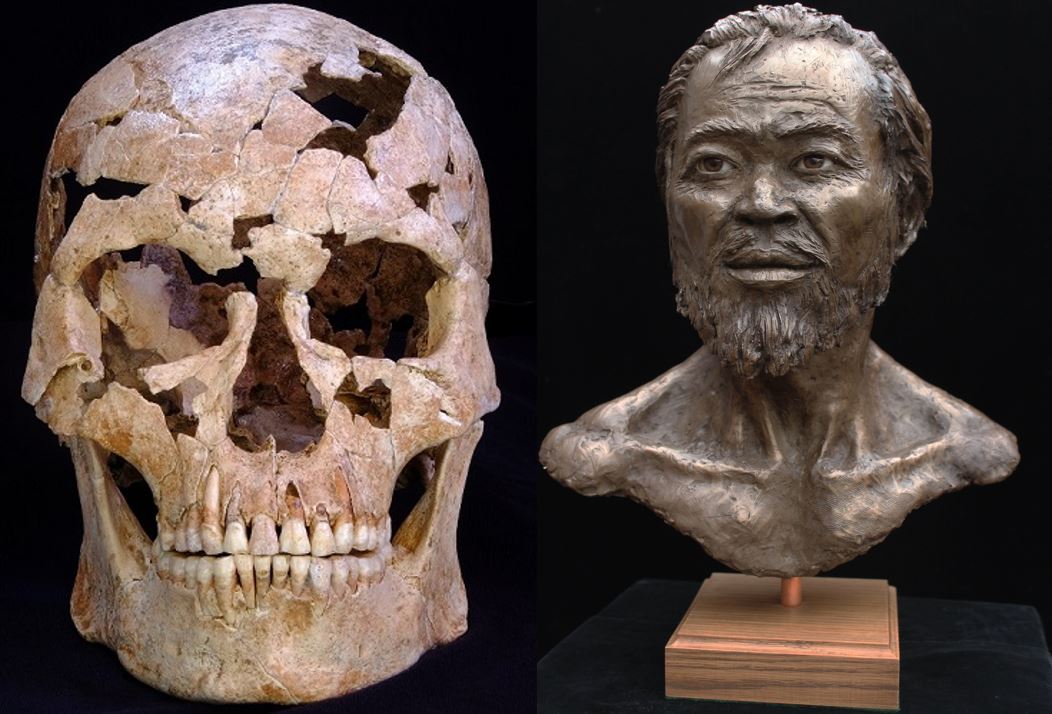
A 12,000-year-old skeleton from northern Vietnam reveals humanity’s oldest struggle—and compassion—through international collaboration led by ACG Visiting Fellow Dr. Ryan Rabett.
A remarkably well-preserved 12,000-year-old skeleton, unearthed in a cave in northern Vietnam, has revealed the earliest known evidence of human conflict in mainland Southeast Asia—and captured worldwide attention for both its scientific and human dimensions.
The discovery, published in Proceedings of the Royal Society B, documents a man fatally injured by a quartz-tipped projectile, marking the first clear case of lethal interpersonal violence in the region. Yet, evidence of care in his burial suggests that compassion accompanied conflict even in prehistory.
The skeleton was discovered at Thung Binh 1, deep within the Tràng An UNESCO World Heritage Landscape, as part of the SUNDASIA Project (2016–2020) led by Dr. Ryan Rabett, of Queen’s University Belfast and Visiting Fellow at the Institute for Hellenic Culture and the Liberal Arts (IHCLA), The American College of Greece. Dr. Rabett described the discovery as “like opening a time capsule—a powerful reminder that the sweep of prehistory was made up of lived moments, so often lost to us.”
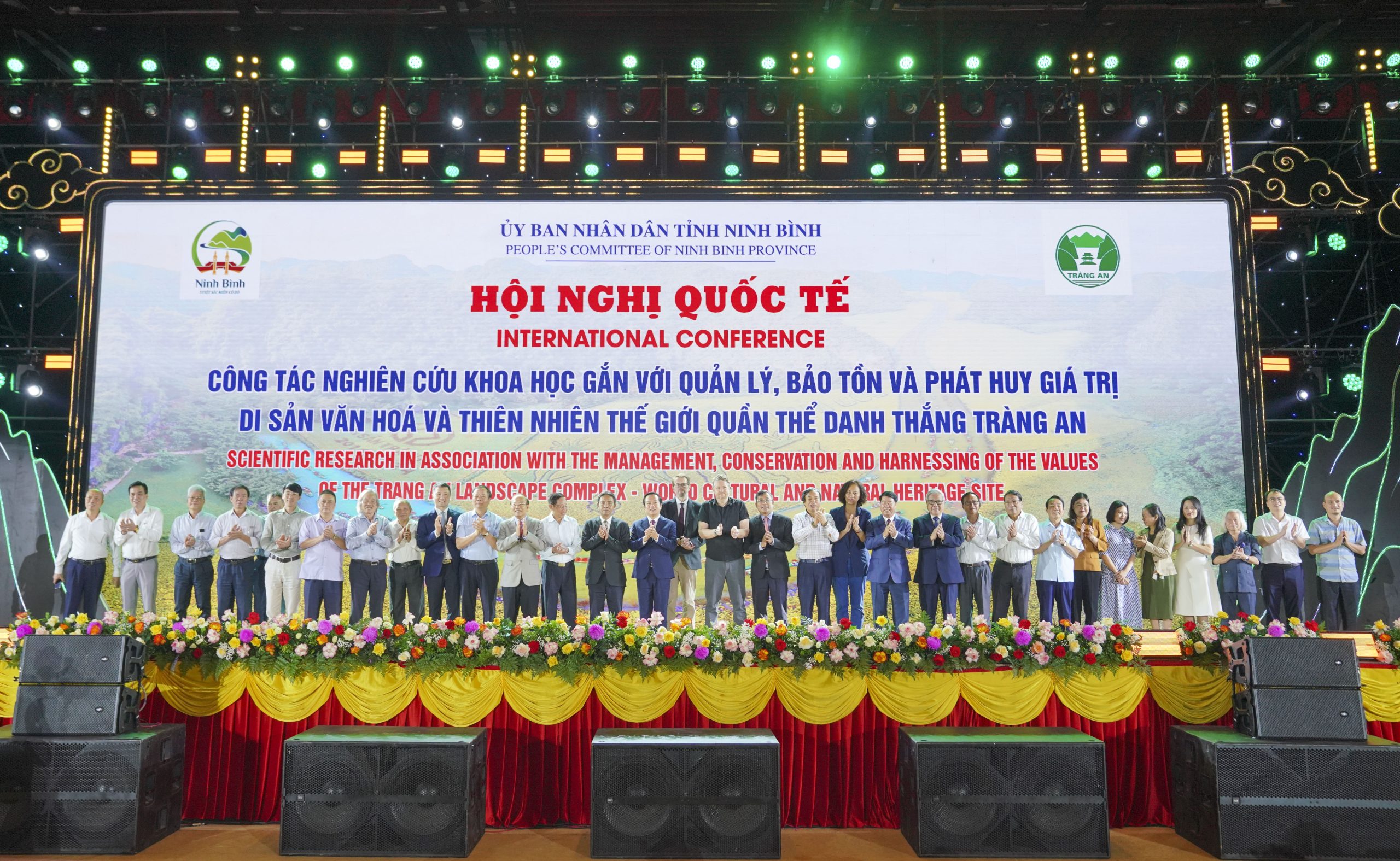
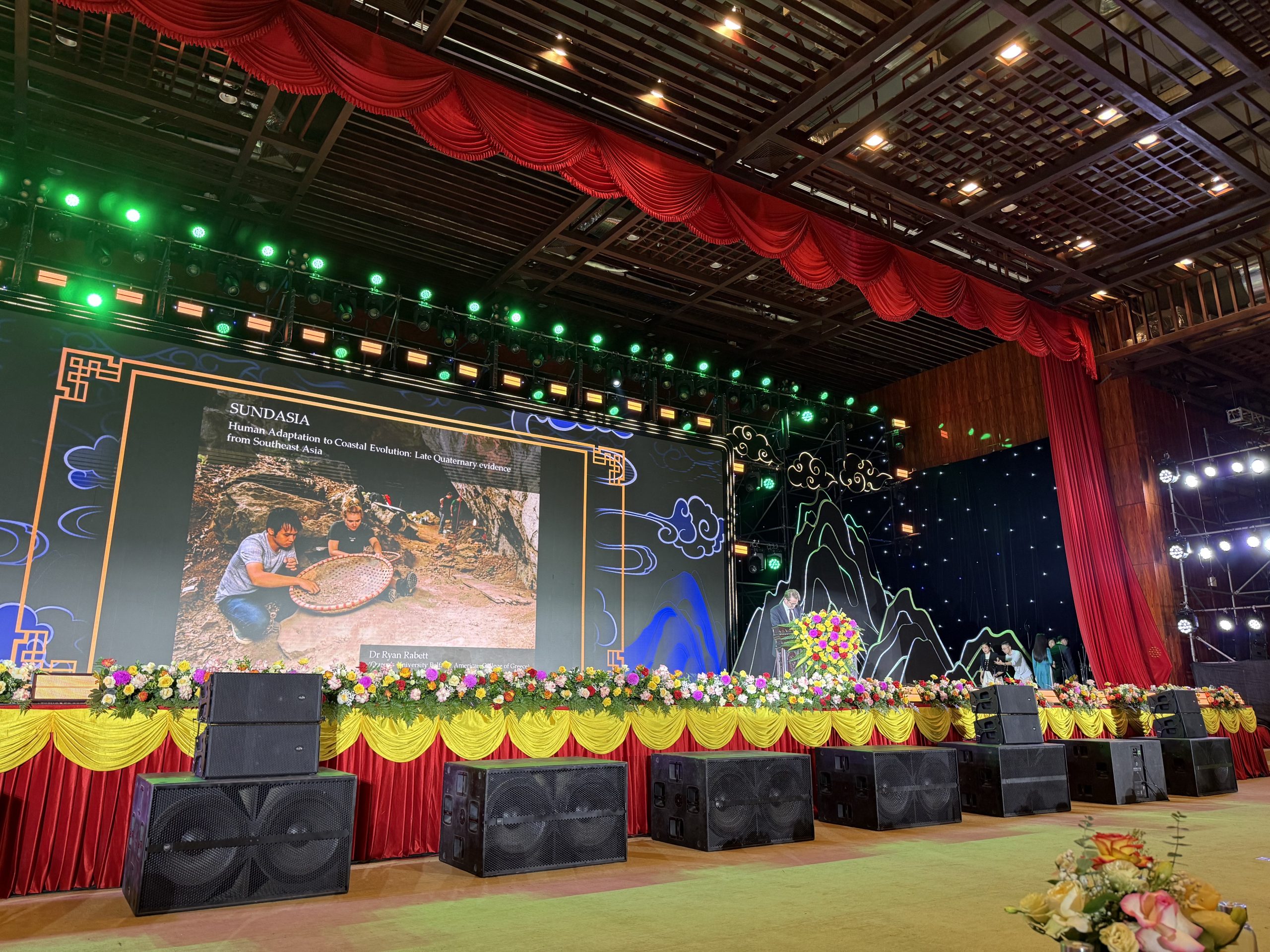
A Celebration in Vietnam
On September 27 (World Tourism Day), the discovery was celebrated at a major press event titled “Warrior Binh Minh (Dawn)”, held at the Bai Dinh Convention Centre, Ninh Binh Province. Nearly 2,000 attendees, including more than 200 dignitaries, scientists, and community representatives, gathered to honor both the research and the cultural meaning of the find.
In his closing remarks, Dr. Rabett emphasized that “custodianship of Tràng An’s cultural and natural heritage—and the pride to be felt in its outstanding values—belongs to the people of Tràng An.” Lead author Dr. Chris Stimpson of the Oxford University Museum of Natural History noted that while the discovery highlights the darker side of human nature, it also reflects humanity’s enduring capacity for care and empathy.
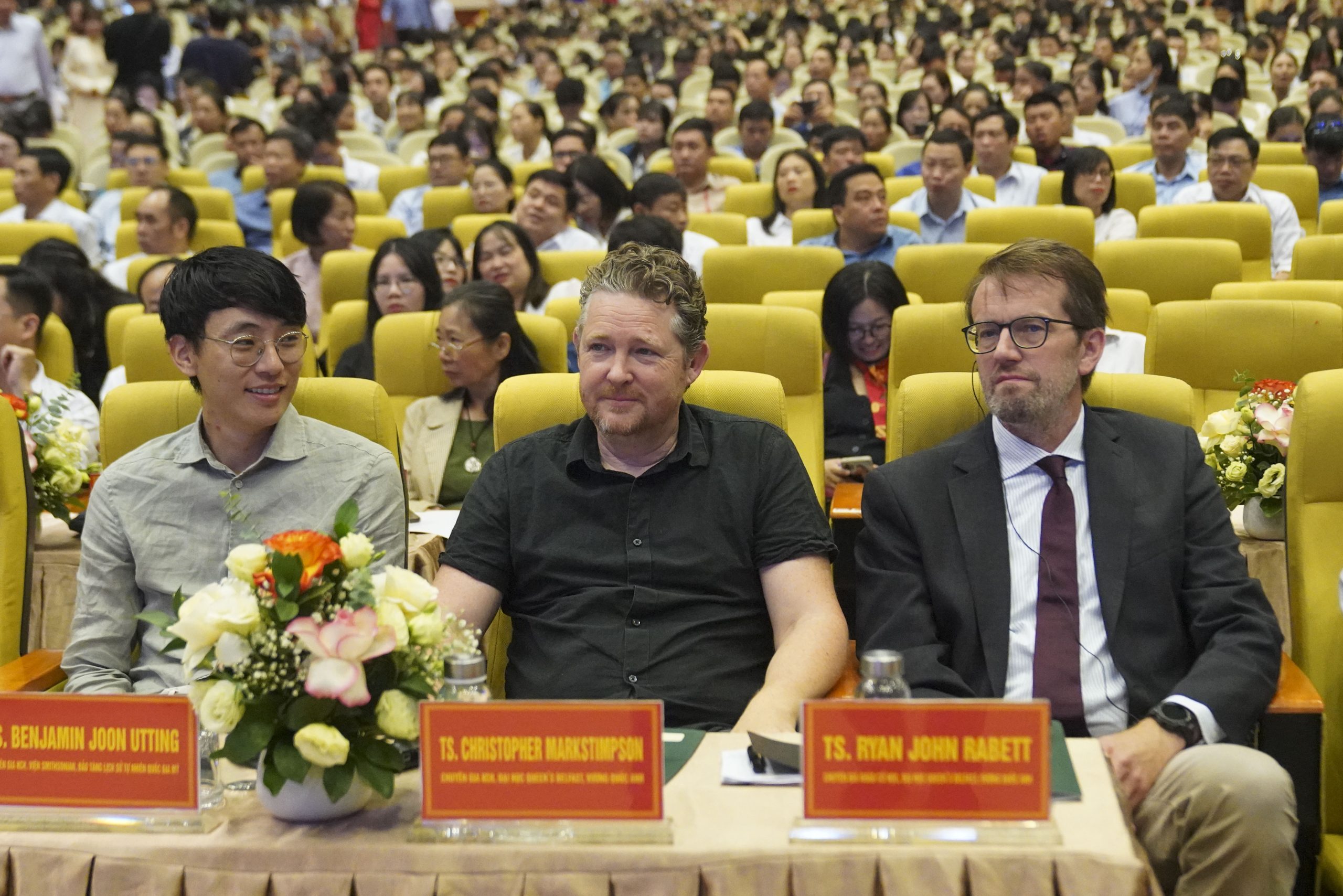
Global Recognition
The story has resonated across continents—not only as a scientific milestone, but as a human one. In Greece, the news was first featured by CNN Greece, whose coverage was extensively echoed by major outlets including MSN, City Free Press (Cyprus), Unboxholics, Newsbomb, and The Opinion.